
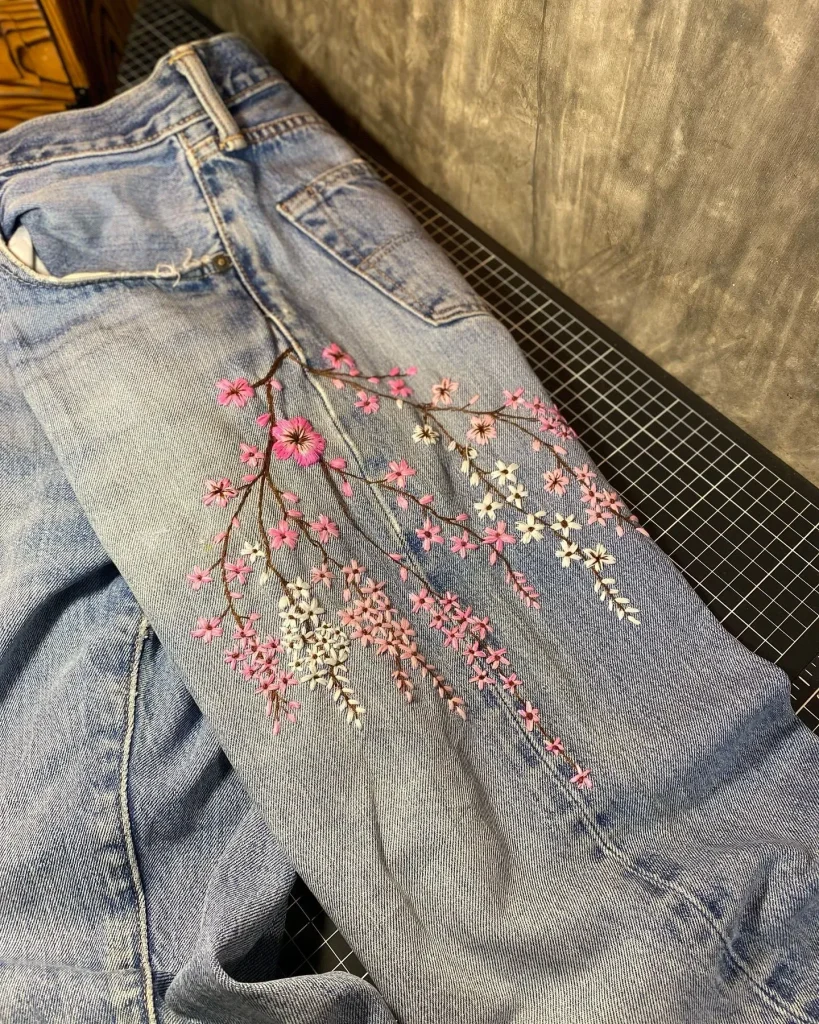
3D embroidery on jeans offers a fashion-forward way to add durable, eye-catching detail to your denim for everyday wear and standout looks. This approach blends classic denim embroidery techniques with modern depth, texture, and color stability, ensuring projects stay vibrant after repeated washing. To keep the design resilient, plan for appropriate stabilization and underlays that lift stitches without adding stiffness or bulk. Choosing sturdy threads and balanced stitch density helps the texture endure daily wear, friction at knees and pockets, and routine laundering. With thoughtful planning and practice, you can transform ordinary jeans into durable, unique pieces that express personal style without sacrificing comfort.
A three-dimensional approach to decorating blue denim uses raised stitches and padding to create tactile texture. Think in layers—supportive backing, foam underlays, and robust threads—that help the design withstand wear and repeated washing. This strategy yields durable, visually striking embellishment that matches both classic workwear aesthetics and contemporary street style.
3D embroidery on jeans: Elevating Denim with Texture and Durability
3D embroidery on jeans introduces a tactile dimension to denim that goes beyond flat decorative stitching. By layering foam underlays, choosing the right stabilizers for embroidery, and using sturdy threads, you create raised elements that resist wear at high-movement points like knees and pockets. This approach aligns with the goal of durable denim detailing, delivering depth without sacrificing comfort or flexibility.
In practice, plan your design with denim’s weave and wear patterns in mind. Start with scrap denim for testing foam height, backing placement, and stitch types before committing to a full pair of jeans. The result is a crisp, long-lasting texture that remains vibrant through multiple washes, reinforcing the idea that 3D embroidery on jeans can be both stylish and enduring.
Denim embroidery techniques: A Practical Guide to Stitch Quality and Longevity
This section covers core approaches such as foam-backed 3D embroidery, layered stitching for texture, and raised outlines that collectively enhance stitch quality on denim. Each technique contributes to durable denim detailing by distributing stress across the fabric and stabilizing the design against abrasion. Focusing on these denim embroidery techniques helps beginners build confidence while still delivering professional-looking results.
To maximize longevity, balance stitch density with fabric weight and foam thickness. Using the right needle size for denim weight, selecting robust polyester or rayon threads, and alternating stitch directions reduces cracking and fiber fatigue. Regularly testing colorfastness on similar denim ensures that the final piece maintains its hue after repeated wearing and washing.
Stabilizers for embroidery on denim: How to Choose for Long-Lasting Projects
Stabilizers for embroidery play a pivotal role in keeping denim stable during stitching and in preventing puckering. A combination of tear-away backing for easy removal and cut-away backing for heavier, larger designs provides the backbone for durable 3D effects. Foam underlays paired with the stabilizers help create height while protecting the fabric surface from needle friction.
When planning your project, consider how the stabilizers interact with the foam and the fabric. Try a practice panel to verify how much support is needed and whether the stabilizer will come away cleanly after stitching. Selecting the right stabilizers for embroidery ultimately reduces distortion and extends the life of the design through repeated wear and laundering.
Fabric embroidery tips for jeans: From Planning to Finishing
Fabric embroidery tips are essential for turning a good idea into a durable result on jeans. Start with a clear concept that respects the jeans’ silhouette and areas of movement, then test on scrap denim to refine thread choice, tension, and backing. This careful planning mirrors the guidance on fabric embroidery tips for achieving clean edges and stable texture.
Finishing is equally important. Trim excess stabilizers, remove any foam remnants from the back, and press with a cloth to protect the stitches. Proper finishing minimizes lint, prevents catches on laundry hardware, and helps the 3D elements retain their height and shape through countless washes.
Layered textures and foam underlays: Creating durable denim detailing
Layered textures rely on a carefully placed foam underlay to create the distinctive 3D lift without stiffening the jeans. By combining foam with iterative passes of different stitch types, you can achieve a tactile surface that is visually striking yet flexible enough for daily wear. This method directly supports durable denim detailing, making the embroidery breathe with the fabric rather than fighting against it.
Design with seam points and high-movement zones in mind, placing the heaviest texture on flatter panels or reinforced patches. Regular testing on similar denim helps you tune foam thickness and stabilizer placement, ensuring the final piece holds its shape after washing and regular wear.
Care and maintenance for 3D denim embellishments: Preserving color and structure
Care and maintenance are essential to preserving the integrity of 3D embroidery on jeans. For durable, long-lasting results, wash with colorfast detergents, turn jeans inside out, and opt for cold water cycles to minimize agitation. This aligns with durable denim detailing goals by reducing stress on the raised elements.
Post-wash checks and periodic re-seaming or re-stitching of loose threads help sustain the texture and prevent small separations from growing. Air-drying or low-heat tumble drying helps maintain height and prevents distortion, ensuring that your 3D embellishments stay vibrant and secure over time.
Frequently Asked Questions
What is 3D embroidery on jeans and why does it offer durable denim detailing?
3D embroidery on jeans is a technique that uses stabilizers for embroidery and foam underlays to raise stitches above the denim surface, creating texture and depth. This added structure improves wear resistance and helps the design withstand washing, delivering durable denim detailing that stays vibrant.
What denim embroidery techniques are most effective for creating 3D effects on jeans?
Key denim embroidery techniques for 3D effects include foam-backed embroidery, layered stitching, and puffy thread outlines. These methods add dimensional texture while distributing stress, resulting in durable denim detailing that remains comfortable and visually striking.
Which stabilizers for embroidery do you recommend for 3D embroidery on jeans?
A combination of tear-away backing and cut-away stabilizers works well, with a foam underlay to create the 3D height. Stabilizers for embroidery help prevent fabric distortion and keep raised elements intact during wear and washing.
What fabrics and threads work best for 3D embroidery on jeans to maintain color and texture?
Strong polyester threads are preferred for denim because they resist fraying and hold up to washing, with rayon accents for highlights if colorfast. Always consult fabric embroidery tips and test colorfastness on a scrap denim panel before stitching the final design.
Where on jeans should I place 3D embroidery to maximize longevity?
Choose flatter panels or reinforced areas and avoid the inner thigh where movement and friction are highest. Planning with denim embroidery techniques in mind and placing 3D elements on durable zones helps ensure longevity and durable denim detailing.
How should I care for jeans after applying 3D embroidery on jeans to preserve the raised texture?
Wash inside out on a cold, gentle cycle and air dry when possible. Use stabilizers for embroidery during the washing process, avoid high heat, and handle the raised texture gently to maintain its shape and color.
| Topic | Key Points | Notes / Examples |
|---|---|---|
| Core concept | 3D embroidery on jeans uses raised/padded stitches with backing and foam to create texture; it’s more robust than flat embroidery and designed for wear and washing on denim. | Highlights stability on high-wear areas (knees, hips, pockets) and offers tactile, visual dimension. |
| Materials & planning | Plan designs with durability in mind; test on scrap denim; choose motifs that fit the jeans silhouette; small-scale vs large panels affect impact. | Includes test runs, stabilizers, foam underlay, appropriate threads, needles, and hooping/non-hoop methods. |
| Stabilizers | Tear-away stabilizer for easy removal; cut-away for structure with dense designs; foam underlay provides 3D height. | Balance bulk and support; ensure alignment and reduce fabric distortion. |
| Techniques | Foam-backed 3D embroidery; layered stitching; puffy threads for outlines; monograms/logos with 3D lift. | Each method includes design concept, setup, stitching, and finishing steps to maintain texture and durability. |
| Practical tips | Choose thread types (polyester for durability and colorfastness); test colorfastness; balance stitch density and fabric weight; regular needle changes; stabilizers are essential. | Focus on finishing, stabilizer removal, and careful washing to preserve texture. |
| Design considerations | Simpler motifs tend to wear better; avoid high-movement areas; plan wear points and consider reinforced patches for longevity. | Placement affects durability and comfort; flatter panels may last longer in active zones. |
| Maintenance & care | Wash with colorfast detergents; use cold water and gentle cycles; air dry or low-heat drying; inspect for loose threads. | Care preserves 3D texture and color integrity over time. |
| Common mistakes | Too much foam or overly stiff 3D elements; inadequate stabilization causing puckering; cheap threads leading to colorfast issues. | Avoid by using minimal effective foam, proper backing, and validated thread choices. |
| Creative ideas & applications | Monochrome motifs; bold geometric patterns; patch-based embellishments; coordinated 3D detailing on jackets or vests for a cohesive look. | Versatile for various styles and adaptable to patches or sewn-on embellishments. |
Summary
3D embroidery on jeans offers a descriptive path to durable, textured denim embellishment that elevates everyday wear. By combining foam underlays, the right stabilizers, and strong, colorfast threads, you can create raised elements that resist wear and washing while maintaining comfort and drape. Start with careful planning, test on scrap denim, and choose techniques that match the jeans’ weight and movement. Whether you aim for subtle pocket accents or bold panels, this approach adds depth and longevity to denim detailing, enabling personalized, long-lasting designs that stay vibrant through countless washes. Practically, it rewards patience and refinement: simple motifs first, consistent testing, and thoughtful placement lead to professional results. With practice, 3D embroidery on jeans becomes a sustainable, stylish way to express individuality while preserving the denim’s wearability.