
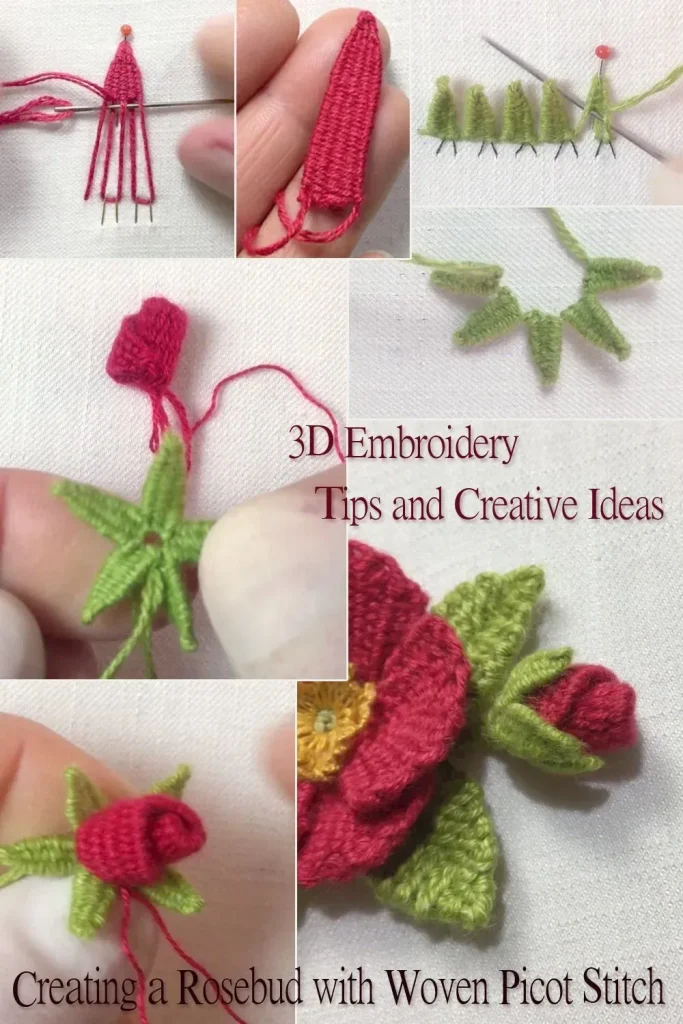
3D embroidery offers a bold way to add dimension to fabric, making designs lift off the surface with tactile depth. Compared with traditional embroidery techniques, it uses padding and layering to create lift, a factor often discussed in the context of 3D embroidery pros and cons. For branding and fashion, understanding use cases for 3D embroidery helps designers decide when a raised emblem or logo is worth the extra investment. The approach also intersects with discussions of 3D embroidered designs and how they differ from hand embroidery vs machine embroidery, as both craft and automation shape outcomes. This introductory overview highlights the essentials so you can weigh depth, durability, and production efficiency for your project.
Beyond the name, dimensional embroidery—also called padded or raised-stitch work—delivers a similar effect through layering fabric and thread. This approach sits among the family of decorative techniques that emphasize texture and volume rather than flat coverage. In practice, brands weigh factors like fabric weight, care requirements, and visual impact to decide when to deploy raised-edge motifs. From a production standpoint, padding-based methods can require different equipment, backing choices, and stitch planning compared with flat stitching. Using related terms such as 3D puff embroidery, raised embroidery, and padded stitch work aligns the topic with search intents while keeping the discussion accessible.
Exploring 3D Embroidery: Techniques, Pros, and Cons
3D embroidery builds up layers of stitches to create raised, tactile surfaces on fabric. It often uses padding materials such as foam or felt placed beneath the stitching and requires specialized digitizing to stack stitches for depth and shadow. The result is a design that pops from the garment or product, making logos and artwork highly visible from a distance. This approach is popular for branding, sports apparel, and premium fashion where a bold, tactile look is desired.
Understanding the 3D embroidery pros and cons helps designers decide when to rely on padding, backing, and layered stitching. The advantages include enhanced depth and texture, strong visibility on dense fabrics, and the ability to create gradients and dimensional effects. The tradeoffs are higher per-unit costs, longer production times, and the need for skilled digitizers and properly stabilized fabrics. For many projects, the choice hinges on whether the added lift justifies the budget and production schedule.
Traditional Embroidery Techniques: Heritage, Textures, and Applications
Traditional embroidery techniques span a century of methods from hand stitching to modern machine fills. This family emphasizes flat, even coverage and subtle texture over physical lift, with classic stitches such as satin, stem, and fill stitches delivering precise detail across a wide range of fabrics. Traditional embroidery remains a versatile staple for monograms, heirloom items, and apparel where a timeless aesthetic is prized.
In comparing hand embroidery vs machine embroidery, many brands value the tactile charm of hand work while others prioritize speed and consistency. Traditional embroidery techniques are typically more scalable and easier to maintain, though achieving extremely fine lines on tiny areas or stretchy fabrics can be challenging without padding or specialized stabilizers.
Use Cases for 3D Embroidery: Where Depth Elevates Brand Messaging
Use cases for 3D embroidery often center on brand-defining visuals that need immediate impact. Branded apparel for sports teams, youth leagues, and corporate teams benefits from raised logos that read from a distance. Caps, jackets, bags, patches, and badges can all gain premium feel and visibility through 3D embroidery, making it a go-to option for limited-edition releases or activewear campaigns.
However, designers should consider fabric weight and application environment. Lightweight or highly stretchable textiles may require careful padding and backing to avoid distortion, and some designs may be better served by flat embroidery. When paired with the right fabric and digitizing strategy, these 3D embroidered designs can elevate a collection and reinforce brand identity.
3D Embroidered Designs: Design, Digitizing, and Production Considerations
3D embroidered designs start with a clear concept and artwork that translates well into raised form. The digitizing phase defines the padding strategy—where foam or other materials will be added and how many layers are needed to achieve the desired lift and edge crispness.
Backings and stabilizers are selected to support the elevated stitches and protect the fabric from puckering. Material choices for padding and thread types influence the weight, density, and wash durability of the final piece. Prototyping, color planning, and production testing help confirm lift, color density, and consistency across runs.
Hand Embroidery vs Machine Embroidery: A Practical Comparison
Hand embroidery vs machine embroidery highlights a key decision in many projects. Hand embroidery offers artisanal texture, variability, and heritage value, but can be slower and harder to scale for high-volume production. Machine embroidery delivers speed, repeatability, and cost efficiency, especially for large runs, but may require more careful digitizing and backing for complex designs.
Ultimately, the choice depends on the design intent, fabric, and budget. For bold, dimensional effects, 3D techniques offer a premium option, while traditional approaches are well suited for timeless branding, delicate fabrics, and high-volume wearables. Understanding the balance between handcraft appeal and machine consistency helps teams choose the best method for each project.
Choosing Between 3D and Traditional Embroidery: Factors, Costs, and Timelines
Choosing Between 3D and Traditional Embroidery involves evaluating brand goals, fabric compatibility, timeline, and budget. If the objective is high-impact branding with shelf appeal, 3D embroidery pros and cons should be weighed carefully against the traditional route, considering factors like padding needs and production complexity. The final decision should align with audience expectations and garment performance.
Practical tips for this decision include collaborating with a digitizer who understands padding and 3D effects, selecting the right backing, and conducting production testing on representative fabrics. By weighing use cases for 3D embroidery with traditional embroidery techniques, designers can select a method that meets both aesthetic and functional requirements while staying within budget and schedule.
Frequently Asked Questions
What are the key 3D embroidery pros and cons to consider for branding projects?
Key pros of 3D embroidery include distinctive depth and texture that enhances brand recognition, strong visual impact on a range of fabrics, and durability when properly backed and stabilized. It’s especially effective for bold logos and emblems that need to stand out. Key cons include higher cost per unit due to padding and complex digitizing, longer production times, and the need for specialized equipment and expertise. There can be stiffness on lightweight fabrics and tighter tolerances for intricate logos, which can complicate production. Weigh these 3D embroidery pros and cons against project goals to decide if this method fits your branding strategy.
How do traditional embroidery techniques compare with 3D embroidery in texture and durability?
Traditional embroidery techniques deliver a flat surface with smooth coverage, excellent fine line work, and broad fabric compatibility. They excel at subtle textures and versatility across many materials, with a timeless aesthetic. 3D embroidery adds padding and stacked stitches to create depth and lift, which increases visibility and can improve durability on heavier fabrics when properly backed. On very lightweight fabrics, padding can cause stiffness or distortion, so backing and fabric choice are important considerations.
What are the best use cases for 3D embroidery, and when should you choose it over flat options?
Use cases for 3D embroidery include branded apparel for sports teams and corporate teams needing a bold visual statement, logo embellishment on caps, jackets, and bags for visibility from a distance, and patches or fashion pieces that benefit from dimensional lift. It’s also effective for limited edition promotional items where depth adds premium appeal. Consider 3D embroidery when brand impact and durability justify the added cost and production time; for understated branding or delicate fabrics, traditional embroidery may be preferable.
Which 3D embroidered designs are best suited for apparel, and what design considerations matter?
3D embroidered designs work best with bold logos and emblems that have readable typography and clear boundaries, benefiting from raised edges. They perform well on a variety of fabrics but may be less suitable for very lightweight or stretchy textiles due to padding and stabilization needs. Digitizing should plan padding strategy and edge crispness, and you should select appropriate backing and thread types based on fabric weight. Testing lift, color density, and edge definition before full production helps ensure optimal results.
In planning a project, how do hand embroidery vs machine embroidery affect the feasibility of 3D effects?
Hand embroidery vs machine embroidery affects speed, consistency, and cost when applying 3D effects. Machine embroidery is widely used for repeatable, uniform 3D effects across many units, while hand embroidery can add artisanal value but is slower and more variable. For high-volume or precision work, machine 3D embroidery is typically preferred; for boutique pieces or heritage-inspired designs, hand embroidery can be employed with careful padding and stabilizing to maintain form.
What practical tips ensure high-quality 3D embroidered designs, including padding and backing decisions?
Work with a digitizer who understands padding and 3D effects and test designs on representative fabrics. Choose appropriate backing and stabilizers to prevent puckering and to maintain edge definition on raised stitches. Consider fabric weight when selecting padding density and thread types, and plan color density to preserve lift and shadow. Conduct production testing to confirm stitch counts, pull, and durability, and review end-user care instructions to preserve the raised elements.
| Topic | Key Points |
|---|---|
| What is 3D Embroidery? |
|
| Traditional Embroidery at a Glance |
|
| Pros of 3D Embroidery |
|
| Cons of 3D Embroidery |
|
| Pros of Traditional Embroidery |
|
| Cons of Traditional Embroidery |
|
| Use Cases for 3D Embroidery |
|
| Use Cases for Traditional Embroidery |
|
| 3D Embroidered Designs: Design & Production Process |
|
| Well-suited Designs & Considerations |
|
| Choosing Between 3D and Traditional |
|
| Practical Tips for Implementation |
|