
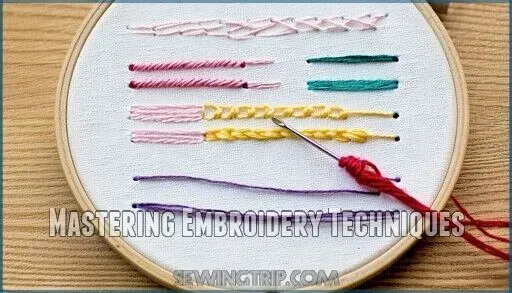
Mastering Embroidered Techniques invites you into a rewarding journey that blends patience, practice, and creativity. Whether you’re drawn to the tactile joy of stitching by hand or the precision of machine-backed designs, this beginner’s guide helps you start with confidence. You don’t need to be an expert to enjoy embroidery; you simply need a calm workspace, the right tools, and a curious mind. By exploring slow, meditative stitching alongside faster machine work, you’ll discover how each approach can complement the other and enrich your textile repertoire. As you begin, you’ll focus on fundamentals like fabric choice, thread handling, tension, and consistent stitch execution, then gradually tackle simple projects that reinforce your growing skills.
Taking a broader view, embroidery becomes a blended practice that honors both tradition and modern technique, aligning handcraft with machine embroidery techniques to balance speed with control. In practice, you’ll learn to hoop fabric correctly, choose stabilizers, and translate a design onto fabric, whether you’re guiding a needle or programmatically guiding a machine. To keep the learning curve steady, focus on approachable, satisfying projects that scale from simple motifs to more complex compositions. As you practice, build a growing library of stitch types, observe how threads interact with different fabrics, and gradually blend hand and machine methods for richer texture. Ultimately, your path toward mastery will hinge on patience, experimentation, and a thoughtful design process, so you can tackle more ambitious textiles over time. Keep a simple project journal to note what works, what doesn’t, and what you’d like to try next, then revisit your goals after each finished piece. Over time you’ll observe how the language of stitches communicates texture and mood, turning practice into personal style and a rewarding creative habit. As you expand your skills, you’ll gain confidence to personalize motifs and explore new combinations of stitches.
Mastering Embroidered Techniques: Integrating Hand and Machine Approaches
Embroidery thrives when hand and machine methods inform and complement each other. Mastering Embroidered Techniques isn’t about choosing one path over another, but about developing a flexible toolkit that blends the tactile nuance of hand embroidery basics with the speed and precision of machine embroidery techniques. By focusing on foundational skills, you’ll cultivate confidence in both approaches and unlock ways to combine stitches, textures, and designs that feel personal and polished. This balanced mindset supports ongoing experimentation with thread types for embroidery, fabrics, and stabilizers without losing sight of the joy of making.
As you embark on this journey, treat each practice session as an opportunity to expand your embroidery stitches guide with new textures and techniques. You’ll discover how small improvements in tension, fabric handling, and stitch spacing influence the overall effect. The result is a versatile skill set that lets you choose the right method for a given project—handwork for detailed, intimate work and machine work for large-scale or repetitive elements—creating textiles that are both functional and expressive.
Hand Embroidery Basics: Foundations to Practice Regularly
Starting with hand embroidery basics means building a reliable routine around simple tools, steady hands, and patient exploration. Gather essentials like a sharp embroidery needle, embroidery floss, quality fabric, an embroidery hoop, and sharp scissors to begin. With these basics, you can quietly observe how thread behaves under tension, how fabric responds to stitches, and how your control over stitch length shapes the result.
A practical approach is to learn a core set of stitches that form the backbone of any embroidery stitches guide: running stitch for outlines, backstitch for clean seams, satin stitch for filled shapes, stem stitch for curves, French knot for texture, and chain stitch for decorative lines. Regular practice with these stitches builds muscle memory, helps you assess fabric suitability, and develops a confident rhythm that translates well into beginner embroidery projects.
Machine Embroidery Techniques: Speed, Precision, and Design Transfer
Machine embroidery techniques open possibilities for rapid repetition, precise geometry, and professional finishes. With a basic machine, an embroidery foot, and a hoop, you can tackle projects from monograms to intricate patterns. The key skills extend beyond running stitches to proper hooping, stabilizer selection, and understanding how machine settings influence stitch quality. Emphasize setup accuracy and consistent fabric handling to achieve clean, stable results.
Stabilizers play a pivotal role in machine embroidery. Choosing a tear-away stabilizer for woven fabrics or a cut-away stabilizer for delicate textures helps prevent puckering and keeps stitches aligned. Matching the stabilizer to the fabric and needle size reduces stress on the weave while improving the appearance of designs transferred or digitized for machine execution. By learning how to pair fabric, stabilizers, and machine settings, you’ll enjoy smoother projects and broader design possibilities.
Embroidery Stitches Guide: A Practical Catalog for Beginners
A well-curated embroidery stitches guide blends hand and machine techniques into a versatile toolkit. Build a personal reference by practicing stitches on scrap fabric and noting how different thread types for embroidery interact with various fabrics. Some stitches translate well to both methods, while others shine in one approach, allowing you to tailor your repertoire to the project at hand.
This practical catalog highlights essential stitches such as backstitch, satin stitch, running stitch, stem stitch, French knot, and chain stitch. As you practice, vary density, stitch length, and thread thickness to explore texture and depth. Use a notebook or a small sampler to capture your observations, then consult your embroidery stitches guide when planning new designs or combining stitches for richer effects.
Fabric and Thread Selection for Embroidery Success
Selecting the right fabrics and threads is a foundational step that affects both aesthetics and durability. Linen offers a crisp weave ideal for classic embroidery, while cottons provide a forgiving surface for beginners. When you’re exploring thread types for embroidery, try floss for bold, vivid lines and perle cotton for a more decorative texture. Understanding how threads behave with different stitches and fabrics helps you achieve cleaner results with less frustration.
Beyond thread type, consider how fabric weight, weave and color interact with your stabilizers and needle size. Thread sheen and thickness influence shading, highlights, and overall mood of a design. Experimenting with a small selection of fabrics and threads will deepen your understanding of how materials respond to both hand and machine techniques, setting the stage for more ambitious projects.
Getting Started with Beginner Embroidery Projects: Quick Wins for Momentum
Launching your journey with beginner embroidery projects gives you meaningful, achievable results early on. Start with tiny motifs, monograms, or simple geometric patterns on everyday fabrics like napkins or tote bags. These small wins reinforce technique, rhythm, and color coordination without becoming overwhelming.
As you complete each project, keep notes on what worked and what didn’t—tension checks, hooping stability, and thread behavior under different stitches. You can gradually blend hand and machine methods in the same project, outlining a flower by hand with backstitch and filling petals on the machine side with satin stitches. This approach reinforces the core skills from the guide while steadily expanding your repertoire of beginner embroidery projects.
Frequently Asked Questions
What is Mastering Embroidered Techniques and how can I begin with hand embroidery basics?
Mastering Embroidered Techniques is a guided path that blends hand embroidery basics with machine embroidery techniques, suitable for beginners. To start with hand embroidery basics, gather a sharp embroidery needle, embroidery floss or stranded cotton, suitable fabric, an embroidery hoop, and scissors. Begin with a few simple stitches and a small practice swatch to learn tension, stitch length, and finishing techniques before progressing to more complex designs.
In Mastering Embroidered Techniques, how do I integrate machine embroidery techniques with hand embroidery basics?
You can balance both methods by planning designs that use machine embroidery for speed and precision and hand embroidery basics for texture and detail. Key steps include hooping the fabric correctly, choosing appropriate stabilizers, setting tension and needle size for your machine, and practicing complementary stitches on a single project.
What does the embroidery stitches guide offer in Mastering Embroidered Techniques and how should I use it?
The embroidery stitches guide provides a practical catalog of stitches that work well for both hand and machine methods, including backstitch, satin stitch, running stitch, stem stitch, French knot, and chain stitch. Use it to build a personal reference, practice on fabric scraps, and experiment with different thread types and fabrics to understand texture.
Which beginner embroidery projects are ideal in Mastering Embroidered Techniques to build confidence?
Start with small motifs such as initials, simple floral shapes, or geometric patterns on a napkin, card, or tote. Keep designs simple, use a limited color palette to focus on technique, and consider combining hand and machine approaches within a single project.
How do thread types for embroidery influence outcomes in Mastering Embroidered Techniques and how should I choose?
Thread types for embroidery vary in sheen, thickness, and texture. For beginners, try embroidery floss for bold lines and perle cotton for decorative texture. Match thread to fabric and stitch type, test on scraps, and choose threads that suit your design and equipment.
What common mistakes should I watch for in Mastering Embroidered Techniques and how can I fix them?
Common issues include loose tension, puckering, uneven stitch length, and thread fraying. Fixes include ensuring fabric is taut in the hoop, using the right stabilizer, selecting appropriate needle size, practicing on scraps, and using quality thread.
| Aspect | Key Points |
|---|---|
| Introduction to the Craft | Embroidery blends patience, practice, and creativity; accessible to beginners; foundation matters; combine hand and machine; yields functional, decorative, and satisfying textile art. |
| Hand Embroidery Basics | Tools: sharp needle; embroidery floss/stranded cotton; quality fabric (cotton/linen/weight canvas); embroidery hoop; sharp scissors. Core idea: place small, precise stitches to create a design or fill a shape. Common stitches: running, backstitch, satin, stem, French knot, chain. Practice tips: aim for consistent stitch length, even tension, clean finishing; use a small swatch. |
| Machine Embroidery Techniques | Modern machines expand possibilities; basic setup with embroidery foot and hoop. Key skills: hooping correctly, choosing stabilizers, and adjusting machine settings. Stabilizers: tear-away (woven fabrics); cut-away (delicate fabrics); ensure compatibility with needle size/design. Fabric choices: light–medium-weight cottons, blends, certain synthetics; adjust tension and needle size. Digitizing/design transfer: not mandatory, but understanding preparation helps; simple lettering and geometry translate well. |
| Embroidery Stitches Guide | Backstitch; Satin stitch; Running stitch; Stem stitch; French knot; Chain stitch. Some stitches work for both hand and machine; plan texture by combining stitches. |
| Projects for Beginners | Start with simple motifs: initials on a card, a single flower on a napkin, or a minimalist geometric on a tote. Use a limited color palette; gradually add more color. You can combine hand and machine in a single project (e.g., outline by hand, fill on the machine side). |
| Tools, Workspace, and Safe Practices | Organize workspace with containers for threads, needles, scissors, pins. Keep fabric taut in the hoop; use good lighting and a comfortable chair. Match thread colors to fabric undertones; experiment with thread types; use contrasting colors for geometric designs and shading for floral motifs. |
| Common Mistakes and Fixes | Loose tension; puckering; uneven stitch length; thread fraying or knotting. Fixes: test on scraps; use the right stabilizer; don’t pull fabric too tight; use quality thread; thread needle cleanly; trim tails properly. |
| Mastering Embroidered Techniques: A Balanced Path Forward | Balance practice between hand embroidery basics and machine embroidery. Start with fundamentals, then add more complex stitches, textures, and designs. Practice on various fabrics and try different thread types for embroidery to see how results change. Progress enables tackling personalized textiles, home decor, and wearable embroidery. |
| Conclusion / Next Steps | Break large goals into small, regular practice sessions that reinforce hand embroidery basics while exploring machine embroidery. Keep a small project journal to track what works and what to try next. With time, patience, and steady practice, expand your stitch repertoire and complete projects with increasing speed and flair. The essential step is to begin; every stitch is a stepping stone to more expressive, vibrant textiles. |
Summary
Mastering Embroidered Techniques invites you into a rewarding journey where patience, practice, and creativity converge to unlock textile art that is both functional and decorative. This descriptive overview highlights how embracing both hand and machine methods can build confidence, expand your stitches repertoire, and produce projects ranging from small motifs to wearable art. By starting with fundamentals, selecting appropriate fabrics and stabilizers, and practicing consistently, you can gradually tackle more complex designs, experiment with threads and textures, and enjoy the process of growth and mastery.