
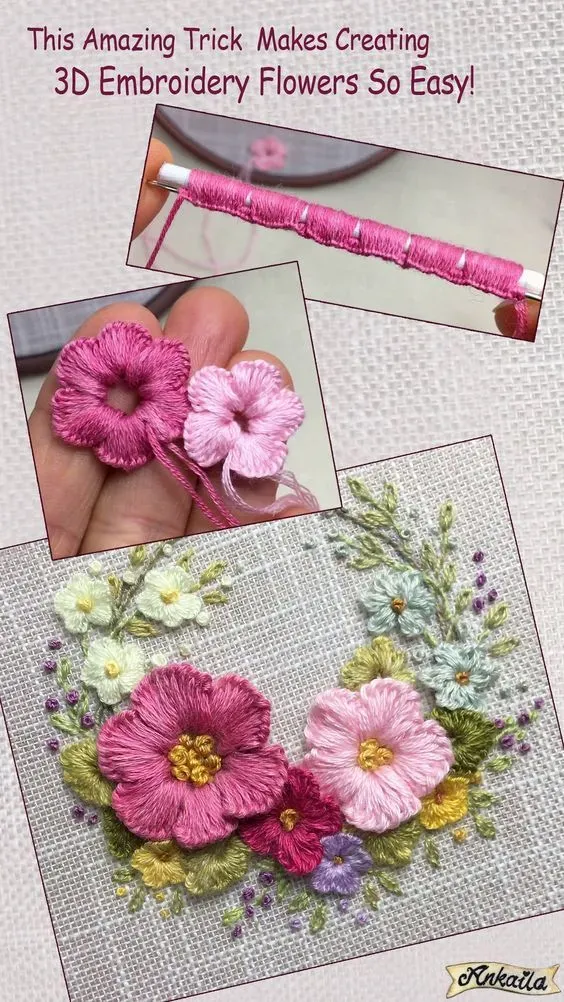
3D embroidery techniques open a world where fabric becomes sculpture, inviting you to explore depth and motion with thread. By layering padding, shaping stitches, and catching light, this family of methods delivers depth and texture in embroidery that flat finishes can’t match. From raised embroidery to stumpwork embroidery, these techniques push traditional stitching into three-dimensional embroidery that readers can feel. If you’ve admired dimensional florals or carved-looking motifs, you’ve seen how this approach creates tactile, light-catching surfaces. In this concise guide, you’ll learn practical steps to start creating standout pieces today.
Viewed through an alternative lens, dimensional stitching treats fabric as a sculpture in thread, emphasizing height, volume, and shadow rather than flat ornament. Practitioners often describe it as padded stitching or layering that builds three-dimensional surfaces you can see and feel. The heritage of stumpwork and raised embroidery illustrates how padding and contouring stitches create lifelike petals, leaves, and figures. With lightweight cores such as foam or felt and careful color shading, designers can push depth while keeping pieces flexible for wear or display.
Frequently Asked Questions
What are 3D embroidery techniques and how do they create depth and texture in embroidery projects?
3D embroidery techniques add height and form to fabric by padding, layering, and sculpting stitches. This family includes raised embroidery and stumpwork and even uses lightweight foam or cores to shape without stiffness. By building depth under top layers and using color shading, these techniques create tangible texture and dimensionality in embroidery projects.
How does raised embroidery contribute to depth and texture in three-dimensional embroidery projects?
Raised embroidery lifts elements above the base fabric, creating a natural curvature that enhances depth and texture in three-dimensional embroidery. It works well for petals, buds, scales, and other forms where you want visible volume. Padding under the top stitch and careful stitching define crisp edges and shadow.
What tools and materials are essential for starting stumpwork embroidery and other three-dimensional embroidery techniques?
Essential tools and materials for stumpwork embroidery and other three-dimensional embroidery techniques include a cotton or linen fabric, lightweight stabilizer, and an embroidery hoop; a set of needles and a range of threads (cotton, silk, and metallic). Padding options such as polyester fiberfill, felt, or lightweight foam give the base height, while thin wires or floral cauls can shape armatures for stumpwork elements. Add scissors, pins, and fabric glue to place and secure components.
Which stitches and threads work best for adding dimension in 3D embroidery techniques?
For adding dimension in 3D embroidery techniques, use padding stitches and raised techniques as the base. Choose satin stitches, long and short stitches, French knots, bullion knots, and whipped stitches to simulate texture—bark, seeds, and tiny features. Combine varied thread weights and finishes (matte cotton, shiny silk, metallics) to boost depth and light-catching effects.
What planning steps help you design depth, layering, and three-dimensional forms in embroidery?
Planning is key to depth and layering in three-dimensional embroidery. Sketch the motif, decide which elements require padding and which will be raised, and plan color transitions to convey shadows. Prepare the base in a hoop, cut padding to height, and test on scrap fabric before committing to the final piece. Layer shapes and stitches gradually to build three-dimensional forms.
How should you care for and finish 3D embroidery pieces to preserve their depth, texture, and shape?
Care and finishing for 3D embroidery pieces help preserve depth and texture. Regularly dust with a soft brush and store flat or in a protective frame to prevent crushing padding. If padding shifts, re-pad the area and secure with extra stitches. For stumpwork-like elements, ensure backing fabric conceals padding and consider a light mist of water and gentle press to restore lift after handling.
| Topic | Key Points |
|---|---|
| Introduction | 3D embroidery opens a world where fabric becomes sculpture by layering stitches, padding, and shaping; it creates depth and texture that lift flat surfaces into tactile, light-catching pieces; includes raised embroidery and stumpwork. |
| Concept and Vocabulary | Adds height, volume, or structure; builds forms that cast shadows and invite touch; terms include raised embroidery, padded stitching, stumpwork; modern adaptations use lightweight cores like foam. |
| Tools, Materials, and Preparation | Essential items: fabric and stabilizer, hoop/frame, needles and threads, padding materials (fiberfill, felt, foam), optional wires or cauls for stumpwork; test padding depth on scrap before final piece. |
| Core Techniques | Padding stitches; raised embroidery; stumpwork-inspired elements; three-dimensional layering; textural stitches (French knots, bullion knots, whipped running, fly stitch); varied threads and color shading build depth. |
| Practical Projects and Design Considerations | Start with small, self-contained projects; plan design and padding; prepare base; execute stitching in layers; finish with highlights and neat padding concealment. |
| Techniques in Practice | Petal/scale construction; leaf veins and bark; floral centers; animal eyes and features; use curved shapes, satin stitches, and bead-like textures to enhance realism. |
| Maintenance and Care | Dimensional embroidery attracts lint and snagging; dust gently, store flat or framed; re-pad if needed; lightly mist and press to restore shape. |
| Inspiration and Next Steps | Flexibility to blend stumpwork with modern supplies; use the focus keyword to guide design exploration; explore related terms to broaden vocabulary; practice to deepen depth, padding, color harmony. |
Summary
3D embroidery techniques invite you to move beyond flat ornamentation toward sculptural, textile art. By combining padding, raised stitches, layered forms, and thoughtful color shading, they produce pieces that feel tactile, dimensional, and alive. Practicing with small motifs and gradually increasing padding height will expand your repertoire, enabling more complex, multi-layered designs with lasting depth and texture.