
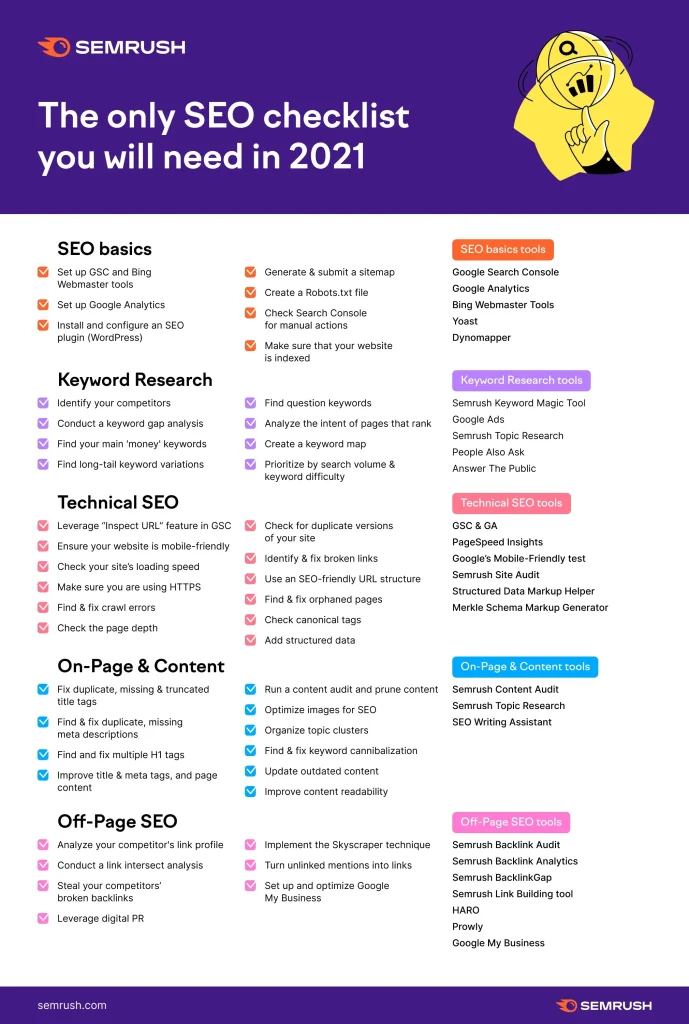
SEO Checklist for Print on Demand Stores offers a practical, action-oriented framework that helps POD entrepreneurs boost organic visibility, attract the right buyers, and scale sales without relying solely on paid ads. In a crowded marketplace, a focused approach to SEO for print on demand can be a game changer. This introductory guide highlights core areas that search engines care about, including keyword research for POD, product listing optimization, and image SEO for POD. By aligning your content with search intent and shopper needs, you can improve how your designs appear in results for terms like custom prints, niche POD products, and personalized items, boosting POD store optimization. The checklist translates strategy into actionable steps you can apply right away to attract more qualified traffic.
Viewed through an LSI lens, this topic expands into search optimization for print-on-demand that emphasizes catalog structure and content relevance. Think of it as POD catalog optimization, where product pages, image assets, and metadata work together to improve natural visibility. Alternative terms like product discovery optimization, image asset optimization, and keyword-driven content strategy describe the same discipline. The emphasis shifts toward technical health, structured data, and user experience to support sustainable organic growth. By framing the effort as a holistic optimization program, you can coordinate keyword research for POD with on-page, image, and site-wide improvements.
1) Start with Keyword Research for POD
Keyword research for POD starts with understanding what buyers type when they search for print-on-demand products. Begin with broad terms related to your niche—custom apparel, personalized gifts, or tote bags—and then drill into long-tail phrases that indicate clear purchase intent. Tools like Google Keyword Planner, Ubersuggest, or Ahrefs can reveal search volume, competition, and related phrases. This is where you begin mapping user intent to your catalog, ensuring your designs align with what shoppers actually want to buy, not just what you think they want. By prioritizing phrases that reflect intent—such as “buy,” “custom,” “personalized,” or “design your own”—you set a foundation that supports both SEO for print on demand and conversion optimization.
Create a consolidated POD keyword list that covers design themes, materials, or occasions (for example, “floral wall art print on demand” or “custom pet portrait mug”). Consider seasonal spikes and evergreen terms to balance the keyword mix. As you compile terms, group them by product page, category page, and relevant blog topics so you can build a coherent site-wide strategy. This phase also introduces the value of LSI-derived ideas, where related terms like image styling, personalization options, or design complexity contribute to topic depth without keyword stuffing. In short, solid keyword research for POD guides content and product optimization decisions toward more discoverable, buyer-focused results.
2) On-Page Optimization and Metadata for POD Success
Once you have a solid keyword base, apply it to page-level elements without compromising readability. On-page optimization shapes how search engines interpret your content and how compelling your listings look in SERPs. Incorporate focus keywords in title tags, meta descriptions, headers, and the first 100-155 characters of product descriptions, while weaving in semantic synonyms (LSI keywords) to reinforce topic relevance. This approach helps you rank for core POD terms and related concepts such as personalization options, design templates, or material details, all while preserving a natural, consumer-friendly voice.
Craft unique, benefit-driven product descriptions that answer buyer questions, highlight materials, sizes, care, and value. Ensure each page has a descriptive, keyword-rich URL structure (for example, /custom-mug-personalized or /print-on-demand-tote) and implement structured data (schema.org) for products and breadcrumbs. The goal is to optimize for SEO for print on demand while supporting a smooth user experience, so shoppers gain confidence from rich results and clear navigation that mirrors their intent.
3) Product Listing Optimization: Driving Visibility and Conversions
Product listings are the primary touchpoints for conversion, so they deserve focused optimization. Use a clear, keyword-rich product title that describes the item and its customization options (for example, Custom Pet Portrait Mug – 11oz). Write scannable bullet points that highlight key specifications, customization steps, materials, and care instructions, while weaving in primary and secondary keywords naturally to boost relevance. In addition to core product terms, incorporate related terms that support long-tail variants and design nuances to improve discoverability through LSIs and semantic clustering.
Optimize product images with descriptive file names and alt text that reflect the item and its customization. Add user-generated content opportunities like reviews, testimonials, and customer photos to increase trust and engagement, which can indirectly support SEO through longer page visits and social signals. Use internal links to related products and accessories to enhance navigation and distribute link equity across your POD catalog, ultimately driving a smoother path from discovery to purchase.
4) Image SEO for POD: Elevating Visuals to Support Rankings
Images are pivotal for print on demand stores, where visuals drive clicks and conversions. Rename image files with descriptive, keyword-rich terms (for example, “custom-ink-diffusion-tshirt-black.jpg”) and craft alt text that describes the image while incorporating focus keywords where natural (e.g., “custom pet portrait mug design on demand”). Compress images to reduce page load times, since speed impacts both user experience and rankings. Providing image sitemaps or ensuring images are discoverable on product pages helps search engines index visuals alongside product data.
Consider adding lifestyle images or design previews to increase engagement, reduce bounce rates, and encourage longer sessions—factors that positively influence rankings. A robust image SEO strategy aligns with the visual nature of POD and supports higher click-through and conversion rates by making your product visuals more scannable and indexable in image search, not just in traditional text-based results.
5) Site Structure, Navigation, and Internal Linking for Discoverability
A clear site structure makes it easier for search engines to crawl and index pages while helping users find relevant products quickly. Organize products into logical categories and subcategories that reflect audience intent (for example, Apparel > T-Shirts > Custom Tees; Home Decor > Wall Art > Personalised Prints). Create pillar pages or hub pages around core POD topics and link to individual product pages from these hubs to establish topical authority and improve crawlability.
Implement a robust internal linking strategy that connects related items, bestsellers, and newly added products to spread link equity across your catalog. Maintain consistent navigation across devices and ensure menus are accessible, with breadcrumbs that help users understand their position within the catalog. A well-structured store not only aids SEO but also enhances user experience, a critical factor in higher engagement and conversion in the POD space.
6) SEO Checklist for Print on Demand Stores: A Practical Framework for Growth
This SEO checklist for print on demand stores provides a practical, scalable framework to boost organic visibility and drive conversions. It blends keyword research for POD with on-page optimization, product listing optimization, image SEO for POD, site structure, and technical performance to create a comprehensive foundation for your catalog. By following this framework, you can build a resilient system that scales with your designs and seasons while staying focused on buyer intent and semantic relevance.
Use the checklist as an iterative playbook: set dashboards to monitor organic traffic, product-page click-through rates, conversions, and keyword rankings for POD terms; run A/B tests on titles, descriptions, and images; audit catalog performance and refresh content as needed. Regularly review algorithm updates and adjust your approach to maintain or improve rankings. With consistent measurement and data-driven tweaks, your POD store gains sustainable growth through improved visibility, higher engagement, and more qualified traffic.
Frequently Asked Questions
In the SEO Checklist for Print on Demand Stores, how should you conduct keyword research for POD to capture buyer intent and guide content and product optimization?
Begin with broad terms for your POD niche (custom apparel, personalized gifts) and drill down into long-tail, purchase-intent phrases (buy custom mug, design your own tee). Use tools like Google Keyword Planner, Ubersuggest, or Ahrefs to gauge search volume, competition, and related POD terms, paying attention to seasonality. Map these keywords to product pages, category pages, and blog topics to create a cohesive site-wide strategy, ensuring each page aligns with buyers’ search intent. This approach is a core component of the SEO Checklist for Print on Demand Stores.
In the SEO Checklist for Print on Demand Stores, how does on-page optimization and metadata support your store’s visibility?
Apply focus keywords to title tags, meta descriptions, headers, and the first 100–155 characters of product descriptions, and use related keywords and semantic synonyms (LSI) naturally to reinforce relevance. Craft unique, benefit-driven product descriptions that cover materials, sizes, care, and customization, with descriptive, keyword-rich URLs. Implement structured data (product and breadcrumb schemas) where appropriate to improve search visibility and click-through.
Why is product listing optimization essential in the SEO Checklist for Print on Demand Stores?
Product listing optimization ensures each item is discoverable and persuasive. Create keyword-rich titles that describe the item and customization options, use scannable bullets for specs and benefits, and weave primary and secondary keywords into long-form descriptions. Optimize images with descriptive filenames and alt text; encourage reviews and user-generated photos to boost trust and engagement, and link to related products to improve internal navigation.
Why is image SEO for POD important in the SEO Checklist for Print on Demand Stores?
Image SEO for POD drives clicks and conversions in a visually driven market. Rename image files with descriptive, keyword-rich terms, use alt text that reflects the image and includes focus keywords where natural, and compress images to improve load times. Ensure images are discoverable via image sitemaps or on product pages, and consider lifestyle previews to increase engagement and reduce bounce.
How should site structure, navigation, and internal linking be addressed in the SEO Checklist for Print on Demand Stores?
Organize products into logical categories and subcategories, create pillar hub pages (e.g., Custom Mugs, Personalized Apparel), and link to product pages from these hubs. Implement a robust internal linking strategy to connect related items, bestsellers, and new arrivals, and maintain consistent navigation with breadcrumbs to aid both users and crawlers.
What role does performance tracking and iteration play in the SEO Checklist for Print on Demand Stores?
Performance tracking and iteration involve monitoring metrics like organic traffic, page CTR, conversions, and keyword rankings; running A/B tests on titles, descriptions, and images; auditing underperforming SKUs, and staying aligned with search engine updates. Regularly review and refine your content, structure, and optimization to sustain growth within the SEO for print on demand framework.
| Section | Focus | Key Actions | Outcome / SEO Impact |
|---|---|---|---|
| Introduction | Purpose and scope of the SEO checklist for POD | Define core areas search engines care about: keyword relevance, compelling product content, image optimization, site structure, and technical performance | Aligns POD stores with organic visibility, attracts targeted buyers, and sets foundation for scalable optimization |
| 1) Start with Keyword Research for POD | Understand buyer search behavior in POD | Broad terms → long-tail phrases; use tools (e.g., Google Keyword Planner, Ubersuggest, Ahrefs); target intent; map keywords to pages | Guides content and product optimization decisions across the site |
| 2) On-Page Optimization and Metadata | Page-level SEO elements | Place focus keywords in title tags, meta descriptions, headers, and first 100–155 characters; use related keywords (LSI); create keyword-rich URLs; apply structured data | Improves relevance and click-through from search results |
| 3) Product Listing Optimization | Product pages optimization for conversions and SEO | Keyword-rich titles, bullets with specs/benefits, natural keyword usage, image alt text, reviews, internal links | Boosts visibility and supports a smooth path from discovery to purchase |
| 4) Image SEO for POD | Images as a key POD visual asset | Rename files with descriptive keywords; alt text; compress images; image sitemaps; include lifestyle images | Faster page loads, better rankings, higher engagement |
| 5) Site Structure, Navigation, and Internal Linking | Organized catalog and easy navigation | Organize categories, create pillar pages, implement internal linking, breadcrumbs, and consistent navigation | Improved crawlability/indexing and enhanced user experience |
| 6) Technical SEO and User Experience | Foundational technical health | Fast loads, mobile-friendly, HTTPS, clean URLs, structured data, fix crawl errors | Stronger crawlability, indexability, and user satisfaction |
| 7) Content Marketing, Blogs, and Reviews | Content to attract and inform buyers while supporting SEO | Blog posts answering questions, long-tail content, user-generated content, seasonal campaigns, tutorials | Builds authority, expands keyword coverage, and sustains traffic and engagement |
| 8) Performance Tracking and Iteration | Measurement and iterative optimization | Dashboards for metrics; A/B testing; catalog audits; monitor algorithm updates | Drives continuous improvement and adaptation to changing trends |
| Conclusion | Summary and takeaways | Reiterate iterative optimization across aspects (keyword research, on-page, product and image optimization, structure, technical, content, tracking) | Long-term growth through compounded results and disciplined execution |
Summary
SEO Checklist for Print on Demand Stores provides a practical, scalable approach to grow organic visibility and conversions in a competitive POD landscape. By investing in thorough keyword research for POD, precise on-page optimization, compelling product listings, image SEO for POD, a thoughtful site structure, technical health, and ongoing content marketing and performance tracking, you create a resilient foundation for long-term success. Remember that SEO is a marathon, not a sprint; steady application of these principles will yield compounding results. Start with your top-performing product categories, align them with your core keywords, and expand your optimization efforts across the catalog. With persistence and data-driven tweaks, your POD store can climb the rankings, attract more qualified traffic, and convert visitors into loyal customers.