
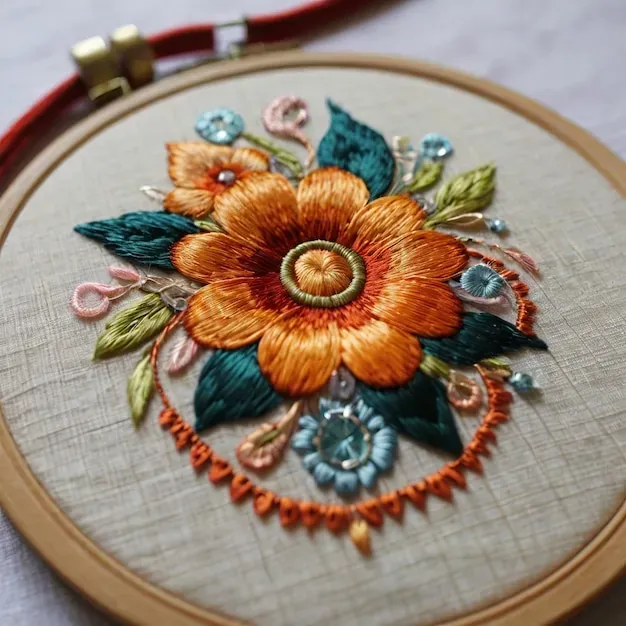
Custom Embroidered Design can transform everyday items into cherished keepsakes. Whether you’re crafting a gift for a loved one or adding a signature touch to your favorite apparel, it personalizes and elevates. In this guide, we explore what makes a great design, the materials and techniques involved, and practical steps to turn an idea into a finished, durable embroidery. To maximize impact, consider how fabric, stabilizers, and stitch choices work together to produce clean edges and lasting color. If you’re exploring ideas for gifts, keep in mind a simple approach like custom embroidery for gifts to inspire thoughtful, lasting pieces.
Beyond traditional stitching, this craft blends art and textiles through bespoke embellishment. A tailored piece might feature monogrammed initials, decorative threadwork, or a signature motif that tells a story. Working with high-quality fabrics and stable backing ensures the design remains crisp through washing and wear. Whether you’re gifting a keepsake or branding a line of apparel, the principles of design, color harmony, and stitch choice stay essential. By exploring new embroidery design ideas and techniques, you can translate imagination into durable, eye-catching textiles.
1. Custom Embroidered Design Essentials: Planning Your Masterpiece
A strong Custom Embroidered Design starts with clear intent. Before transferring a single stitch, define the purpose, recipient, and context of the piece. Decide where the embroidery will live on the item, what size feels balanced, and which color palette best communicates the desired mood. By framing the project around practical goals—whether it’s a gift, a product line addition, or a personal keepsake—you set a foundation that guides fabric choice, stabilizers, and thread selection. This planning phase naturally leads to embroidery design ideas that stay faithful to the fabric and wearer.
From the outset, consider how this design will age with use and washing. A well-planned project minimizes distortion and maximizes legibility, ensuring the Custom Embroidered Design remains sharp over time. As you map out placement and scale, you’ll also begin to think about the balance between ornamentation and usability, which is essential for creating items that feel as good as they look.
2. Gifts and Keepsakes: Personalizing with Custom Embroidery for Gifts
Gifts enhanced with custom embroidery for gifts carry a personal story that mass-produced items cannot match. A stitched name, monogram, or bespoke motif adds emotional resonance to towels, totes, baby items, or home décor. Personalization elevates the item from a functional object to a cherished keepsake that can be handed down through generations. This approach combines artistry with durability, making the gift feel thoughtful and unique.
When selecting a motif or message for personalized embroidered gifts, think about the recipient’s personality, the occasion, and the setting in which the item will be used. A cohesive color palette and well-chosen thread tones reinforce the sentiment and ensure the design remains legible after multiple washes. The result is a meaningful keepsake that carries a story long after the gift is opened.
3. Choosing Fabrics, Stabilizers, and Threads for Embroidered Apparel Designs
The backbone of high-quality embroidered apparel designs is selecting fabrics that tolerate stitching without puckering. Stable fabrics like cotton, denim, canvas, twill, and sturdy knits provide a reliable foundation for intricate motifs. Pair these with appropriate stabilizers—cut-away for woven fabrics and tear-away for knits—to preserve the design’s shape and prevent distortion during wear and washing.
Thread choice and needle selection also shape the final look. Rayon, polyester, and cotton threads each bring distinct sheens and textures that affect how colors register on fabric. For professional-looking embroidered apparel designs, match thread weight and color choices to the fabric’s tone and the intended mood of the design. Proper hooping, stabilizers, and needle sizing complete the setup for durable, high-quality results.
4. Design Ideas and Inspiration: Embroidery Design Ideas for Everyday Items
Inspiration for embroidery design ideas often comes from everyday life. Monogrammed towels, custom totes, family or event motifs, and baby items offer practical canvases for personalized art. By translating meaningful moments into stitched elements, you create items that feel bespoke and timeless. This approach blends aesthetics with everyday usability, turning ordinary textiles into keepsakes.
Expanding design ideas to apparel can yield durable, stylish pieces that wear well. Consider large back panels for jackets, clean front embroidery for caps, or subtle chest accents on polo shirts. The key is to balance boldness with wearability, ensuring the design remains visible yet versatile across different outfits and occasions.
5. From Idea to Stitch: The Digitizing Process and DIY Embroidery Design Tips
Turning an idea into a stitch-ready file typically involves digitizing the artwork. Digitizing converts your concept into a machine-readable sequence of stitches, defining satin, fill, and running stitch types, as well as stitch directions, density, and color changes. A well-digitized design respects fabric, hoop size, and machine capabilities, producing a polished result that looks professional on fabric.
For DIY enthusiasts, this is where practical know-how comes in. DIY embroidery design tips include starting with simple motifs, testing tension and density on similar fabric, and progressively tackling more complex pieces. If you’re comfortable with software, you can create or convert vector art to a stitch-friendly format; otherwise, collaborating with a designer or using licensed design kits can help you achieve professional results without sacrificing your personal touch.
6. Care, Longevity, and Quality Assurance for Customized Embroidered Gifts
Quality embroidery is designed to endure, so plan for care from the start. Provide recipients with simple care instructions, such as turning garments inside out, using gentle washing cycles, and air drying or using low heat. Proper care helps preserve color depth, stitch integrity, and fabric stability, ensuring the Custom Embroidered Design remains vibrant after many washes.
A practical quality assurance checklist can guide you through every project: confirm a clear design concept and color palette, verify fabric stability, ensure accurate transfer, balance stitch density, and finish with secure backing and clean threads. When you pair thoughtful care with robust construction, you create personalized embroidered gifts and apparel that retain their charm and durability for years.
Frequently Asked Questions
What is a Custom Embroidered Design and how does it differ from generic embroidery?
A Custom Embroidered Design is a stitched decoration created to meet a specific purpose, recipient, or occasion. Unlike generic patches, it is tailored in size, color palette, thread types, and stitch styles to complement the fabric and intent. This makes it ideal for personalized embroidered gifts and for creating distinctive embroidered apparel designs or embroidery ideas.
How can a Custom Embroidered Design be used for gifts or apparel?
Plan the purpose, recipient, and placement to guide the design. For gifts, aim for a cohesive, personalized look using custom embroidery for gifts concepts and a simple color palette. For apparel, choose embroidery ideas that suit the item and brand. Either way, a Custom Embroidered Design adds personality and durability to personalized embroidered gifts and embroidered apparel designs.
What are the essential steps from idea to finished Custom Embroidered Design?
1) Define purpose and size. 2) Pick a color strategy. 3) Prepare fabric and stabilizers. 4) Digitize or source a design. 5) Test stitch-out on similar fabric. 6) Finalize and stitch on the actual item. Following these steps aligns with DIY embroidery design tips and helps ensure a polished result for any Custom Embroidered Design.
What tools and materials are needed for a high-quality Custom Embroidered Design?
Key items include stable fabric, cut-away stabilizers for woven fabrics and tear-away for knits, threads (rayon, polyester, cotton), embroidery needles, a properly tensioned hoop, and a reliable design transfer method. With these supplies, you can achieve crisp lines and durable results—perfect for DIY projects and professional work alike, whether you’re planning custom embroidery for gifts or creating embroidered apparel designs.
How do color choices and stitch techniques affect a Custom Embroidered Design?
Color theory and stitch choice shape visibility, texture, and durability. Use contrast against the fabric for legibility and choose stitch types (satin for clean edges, fill for larger areas) that balance density with fabric drape. These decisions are central to embroidery design ideas and work well for both delicate personalized embroidered gifts and bold embroidered apparel designs.
What should I know about care, longevity, and cost when planning a Custom Embroidered Design?
Durability depends on thread quality, stabilizers, and stitch density, plus proper care. Provide clear washing instructions to preserve the design on gifts and apparel. Costs vary with fabric weight, stitch count, colors, and complexity; for gifts, simple motifs are quicker and cheaper, while apparel projects can scale with volume. Understanding these factors helps you plan your budget for custom embroidery for gifts or any personalized embroidered gifts.
| Topic | Key Points |
|---|---|
| What is a Custom Embroidered Design? | A stitched decoration tailored to a purpose, recipient, or occasion; customizable size, color, threads, and stitch styles; adds a personal, durable touch. |
| Why it matters | Personalization creates emotional resonance and longevity; gifts become keepsakes, apparel gains a premium, washable finish. |
| Planning | Set goals: purpose, recipient, size/placement, color palette, fabric compatibility. |
| Tools, materials, and setup | Fabric choices; stabilizers; threads; needles; hoop/frame; design transfer methods. |
| From idea to digitized design | Concept sketched, digitized into stitch commands; defines stitch types, density, color changes, and underlay for polish. |
| Practical steps | Define purpose/size; choose color strategy; prepare fabric; digitize or source design; test stitch-out; finalize and stitch. |
| Gifts design ideas | Monogrammed towels; custom totes; family/event motifs; baby items; home décor accents. |
| Apparel design ideas | Jacket backs; caps; polo shirts; hoodies; kids wear; placement considerations. |
| Color theory & stitch techniques | Color contrast; satin vs fill stitches; thread weight and density; underlay for durability and look. |
| Personalization, branding, licensing | Consistent branding across items; permissions for licensed art; signature motif for consistency. |
| Care & longevity | Care guidance; wash inside out, gentle cycle; air dry; avoid harsh chemicals; embroidery lasts with proper care. |
| Cost, time, and where to get it done | Cost factors include garment quality, fabric, stitch count, colors, and design complexity; DIY for basics or shops for high-volume. |
| Quality assurance | Clear design concept, stable fabric, accurate transfer, proper stitch density, neat finishing, clear care instructions. |
| DIY embroidery tips and resources | Start small; practice stitches; explore stabilizers; use design libraries and licensing options for inspiration and usage. |
Summary
Conclusion: Custom Embroidered Design blends craftsmanship with personal meaning, turning ordinary textiles into enduring memories. Whether you’re crafting gifts to celebrate milestones or designing apparel with a distinctive look, this technique offers durability, texture, and a touch of artistry hard to match with other decorative methods. By planning carefully, selecting quality materials, and mastering stitch techniques, you can create gifts and garments that withstand daily wear and washing while looking polished. Embrace the possibilities of a Custom Embroidered Design and watch everyday textiles become cherished keepsakes.