
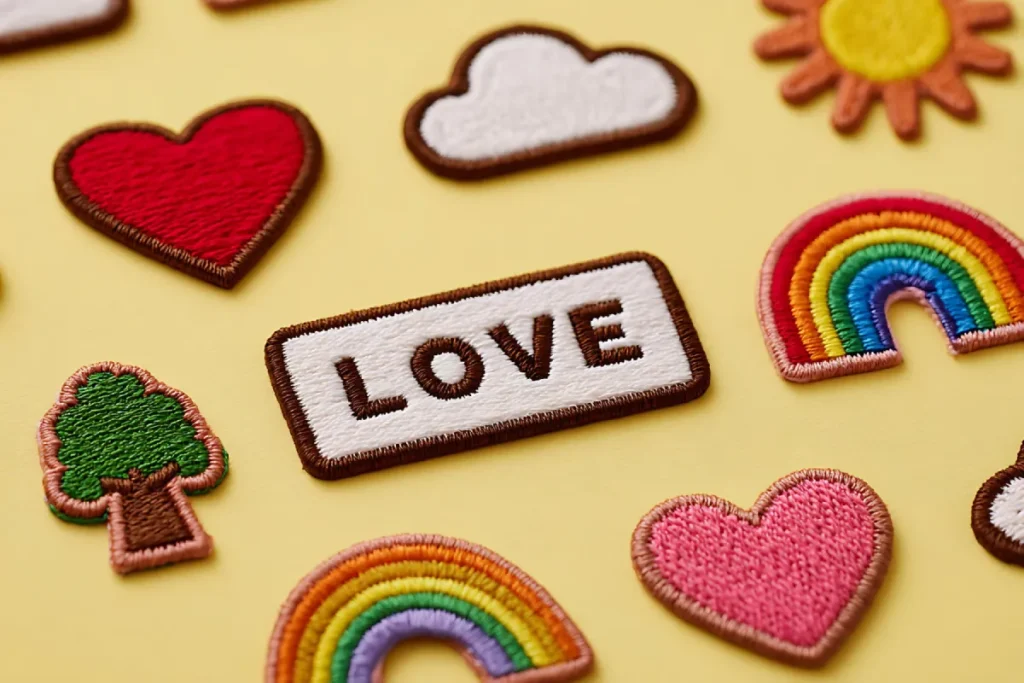
The Basics of Embroidered vs Woven
When selecting the perfect embellishment for your apparel, understanding the core differences between Embroidered vs Woven designs is absolutely essential. Both techniques offer unique aesthetic qualities, but they are created using vastly different processes. Embroidery relies on thick threads stitched onto a sturdy backing, creating a deeply textured, three-dimensional look. In contrast, the woven method uses thinner threads laced tightly together, resulting in a smooth, flat surface. Choosing the right method depends entirely on your specific artwork requirements, budget, and the overarching aesthetic you wish to project to your target audience.
Understanding Custom Patch Styles
Navigating the wide variety of available Custom Patch Styles can feel overwhelming for new creators. Your decision should be guided by the complexity of your logo and the type of garment you are decorating. If your artwork features bold lettering and simple shapes, traditional embroidery will provide a premium, classic feel. However, if your design incorporates intricate details, small text, or complex color gradients, the woven technique is far superior. Identifying these characteristics ensures that your final product accurately reflects your original vision without compromising on overall quality.
Why Choose Thick Thread for Brand Patches?
Many companies prefer traditional embroidery when creating their official Brand Patches because of the undeniable vintage appeal. The raised texture of the thick threads gives the design a tactile quality that feels expensive and durable. This style is incredibly popular for motorcycle clubs, military uniforms, and heavy workwear. The heavy stitching stands out prominently against thick fabrics like denim or canvas. If your goal is to create a rugged emblem that commands attention, selecting this textured option for your Brand Patches is an excellent strategic choice.
The Fine Details of Woven Options
Conversely, the woven manufacturing process allows for an incredible level of precision. Because the looms use fine threads woven tightly together, this method perfectly replicates highly detailed artwork that would blur if stitched traditionally. This makes it ideal for corporate logos featuring small typography or modern illustrations. The resulting product is flat and flexible, making it perfect for lightweight garments like activewear or cotton shirts, where a heavy embroidered badge might feel too stiff or weigh down the delicate fabric.
Durability and Application Methods
Both techniques offer excellent long-term durability if manufactured correctly. When deciding on Embroidered vs Woven options, you must also consider how you will attach them to your products. Both styles support iron-on adhesive backings, hook-and-loop fasteners, or standard plastic backings for sewing. For items that undergo heavy washing, sewing remains the most secure application method regardless of the style you choose. Always match your attachment strategy to the expected wear and tear of the final garment to guarantee ultimate longevity.
Conclusion: Picking Your Perfect Match
In summary, deciding between Embroidered vs Woven depends entirely on your specific design needs. Embroidery provides a classic, textured feel suitable for bold logos and heavy fabrics. Meanwhile, woven alternatives offer unmatched precision and flexibility for intricate artwork. By evaluating your Custom Patch Styles and garment types, you can confidently select the perfect manufacturing method to create stunning Brand Patches that effectively elevate your merchandise and deeply resonate with your audience.
Frequently Asked Questions
1. What is the main difference between the two styles?
Embroidery uses thick threads for a textured look, while woven uses thin threads for a flat finish.
2. Which method is better for small, detailed text?
Woven is better for small text because thinner threads allow for higher resolution.
3. Are both styles durable enough for outdoor jackets?
Yes, both methods produce highly durable products that withstand outdoor elements when properly sewn.
4. Which option feels more traditional and vintage?
Embroidery offers a classic, raised aesthetic highly sought after by traditional uniform manufacturers.
5. Can I use an iron-on backing for both types?
Yes, both manufacturing styles can be equipped with heat-activated adhesive backings for quick application.