
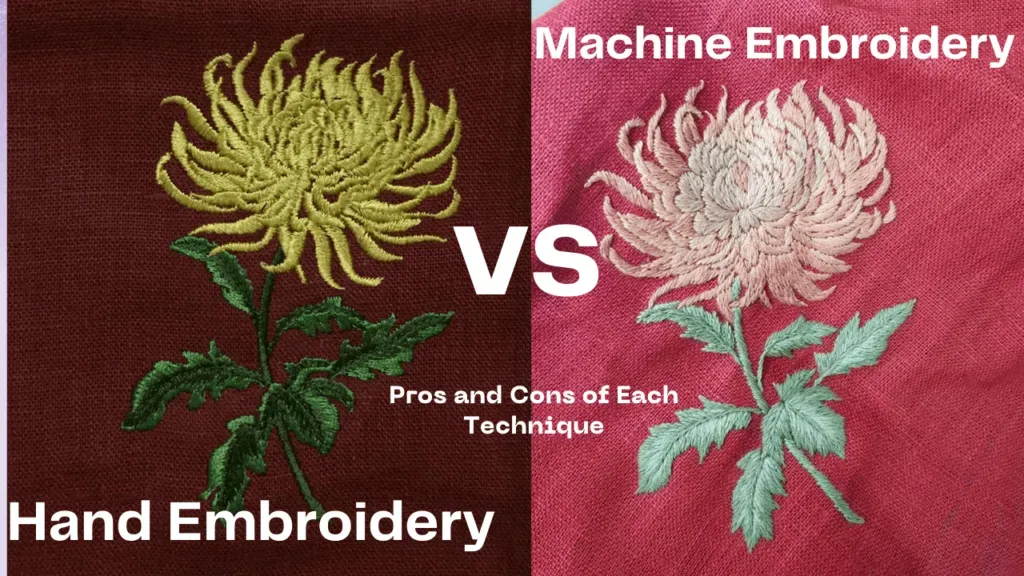
In the world of fabric, thread, and creativity, the choice between hand vs machine embroidery shapes how designers approach texture, tempo, and detail, influencing decisions about material selection, thread weight, needle size, and the patience a project requires. On one side, hand embroidery offers a tactile rhythm, where each stitch carries a hand-made fingerprint, irregularities that add depth and a softness that invites close inspection, while tiny color transitions can be built gradually through layering and shade blending. On the other, machine embroidery brings speed, repeatability, and scalable precision, making it possible to reproduce complex motifs across dozens or thousands of items with consistent density, coordination of color changes, and uninterrupted alignment, especially when working with durable fabrics and standardized stitch libraries. Choosing between the two often hinges on project goals, budget, and timelines, because the right method balances artistry with practicality, allowing makers to plan fabric choices, stabilize the weave, and allocate studio time without sacrificing design intent. For designers seeking a personal touch with heirloom value or a bold, efficient brand presence, understanding the contrasts between these approaches helps you decide when to savor texture and when to chase consistency, while also considering maintenance, materials, and long-term care; the best choice is often the thoughtful blend that respects both methods.
To frame the topic through different terms, consider it as manual stitching versus computerized embroidery, where traditional needlework emphasizes tactile texture and individual expression while digital decoration relies on repeatable patterns and precise stitch control. Viewed this way, the conversation often touches on stability, stabilizers, digitized designs, and the balance between artisanal charm and production efficiency, all of which influence material choice, garment engineering, and finish quality.
Hand vs Machine Embroidery: A Side-by-Side Comparison
In the hand vs machine embroidery comparison, texture, control, and rhythm emerge as the defining differences between the two approaches. Hand embroidery relies on tactile feedback, variable stitch length, and a human touch that creates subtle irregularities—these become your signature. The result is a rich, dimensional surface where shading and texture unfold slowly, one stitch at a time. It’s a craft that invites patience, engagement, and a sense of personal artistry that machines struggle to replicate.
By contrast, machine embroidery prioritizes speed, precision, and repeatability. The process starts with a digitized design and a hoop that holds fabric in a fixed plane, allowing thousands of identical stitches to be produced efficiently. This side of the comparison emphasizes consistency, scalable production, and the ability to execute complex patterns on multiple items with uniform results. For designers balancing aesthetics and output, the hand vs machine embroidery conversation often centers on texture versus throughput.
Best Uses for Hand Embroidery: Texture, Personalization, and Heirloom Craft
Best uses for hand embroidery include projects where texture and personal expression take precedence. Personalization—monograms, names, and small decorative motifs—benefits from the nuanced shading and line quality that only hand stitching can deliver. When you want a piece to carry a tactile signature of the maker, hand embroidery becomes the ideal choice.
Delicate fabrics like linen or fine cottons also respond well to hand embroidery, where careful tension and stitch variation can add depth without overpowering the fabric. For heirloom pieces, one-off art works, or quilt blocks that deserve a handmade touch, the slow, deliberate process creates a finish that feels deeply authentic and uniquely yours.
Best Uses for Machine Embroidery: Branding, Logos, and Repeatable Designs
Best uses for machine embroidery center on speed, repeatability, and clean geometry. Branding and logos across apparel, bags, and home items benefit from consistent stitch density and precise lettering. Machine embroidery makes it feasible to apply the same design across thousands of items with uniform alignment and color changes, helping a brand achieve a cohesive look.
Large fills, bold shapes, and geometric repeats also align with machine capabilities. When time is critical or you’re producing multiple items in a batch, machine embroidery delivers reliable results, fast production, and minimal variation, which is essential for mass-produced lines and promotional campaigns.
Pros and Cons in Focus: Hand Embroidery Pros and Cons vs Machine Embroidery Pros and Cons
From the perspective of hand embroidery pros and cons, the strengths lie in artistry, texture, and customization. The tactile quality and human imperfections can elevate a piece to a higher craft status, but slower production and a steep learning curve can limit scalability.
Machine embroidery pros and cons lean toward efficiency, repeatability, and cost-effectiveness at scale. The ability to reproduce exact designs across many items is a major advantage, yet the texture may feel flatter, and the setup, software, and maintenance costs can be barriers for small studios or hobbyists.
Hybrid Techniques: Merging Hand and Machine Embroidery for Rich Texture
A hybrid approach blends the best of both worlds. Designers often use machine embroidery to establish a base motif or repeatable background while introducing hand-embroidered accents to inject texture, shading, and a human touch. The hand vs machine embroidery spectrum becomes a spectrum of texture and speed rather than a binary choice.
In practice, planning a hybrid project involves sequencing: machine stitches first for stability and coverage; then hand stitches add detail, nuance, or random variation. This combination can produce a polished, scalable design with pockets of artisan warmth, making outcomes that feel both technically solid and artistically expressive.
Practical Design, Materials, and Care for Hand and Machine Embroidery
When designing for either method, materials matter: fabrics, stabilizers, and threads all influence outcomes. Hand embroidery benefits from stable foundations and threads that complement texture, while machine embroidery requires appropriate stabilizers and fabric support to prevent puckering and distortion. Understanding the role of stabilizers, hoop tension, and thread types helps you optimize stitches for durability and appearance.
Care and longevity hinge on technique and maintenance. Hand-stitched finishes can last for generations with proper handling, gentle cleaning, and careful storage. Machine embroidery designs tend to endure well on sturdy fabrics when stabilized correctly and with colorfast threads. Following care guidelines for the chosen method ensures the piece remains vibrant and intact over time.
Frequently Asked Questions
What is the hand vs machine embroidery comparison for texture, speed, and cost?
In the hand vs machine embroidery comparison, texture and feel differ: hand embroidery delivers rich, tactile texture and personal flair, while machine embroidery provides fast, uniform results. Cost dynamics favor hand embroidery for lower upfront expenses but higher time costs, and machine embroidery requires a bigger upfront investment in equipment and software. Choose based on project goals, timeline, and budget; many projects benefit from a hybrid approach.
What are the hand embroidery pros and cons in the hand vs machine embroidery comparison?
Hand embroidery pros include exceptional texture, customization, and a handcrafted look ideal for heirlooms or small runs. Cons are slower production, a steeper learning curve, and limited scalability. It excels where personal touch and artistry matter most.
What are the machine embroidery pros and cons in the hand vs machine embroidery comparison?
Machine embroidery pros include speed, consistency, and strong suitability for branding and large runs. Cons involve higher upfront costs, software/hardware learning curves, and sometimes flatter texture. It’s best for repeatable designs and precise geometry.
What are the best uses for hand embroidery in the hand vs machine embroidery framework?
Best uses for hand embroidery include personalization (monograms), delicate fabrics, art pieces, small runs, and custom embellishments where texture and nuance are valued over speed.
What are the best uses for machine embroidery in the hand vs machine embroidery framework?
Best uses for machine embroidery include branding and logos, large fills and bold designs, precise text and shapes, quick production runs, and scalable product lines that require consistent stitching.
How can you balance hand vs machine embroidery in a project for strong results?
A hybrid approach often yields the best balance. Use machine embroidery for base motifs and repeatable patterns, then add hand embroidery details to boost texture, shading, and personalization—creating a polished yet handcrafted finish.
| Aspect | Hand Embroidery | Machine Embroidery |
|---|---|---|
| Definition | Traditional decorating fabric with needle and thread; tactile, stitch-driven. Emphasizes hand-drawn feel and texture. | Uses computerized or programmable stitches from a sewing/embroidery machine; starts with a digitized design for speed and repeatability. |
| Texture & Feel | High texture; visible stitch variation and human touch. | Flatter texture; uniform stitches with consistent density. |
| Best Uses | Heirlooms, personalization, delicate fabrics, small runs, art pieces. | Branding/logos, large fills, quick production runs, repeatable designs. |
| Strengths | Artistry, personalization, color blending, unique characters. | Speed, consistency, scalability, repeatable results. |
| Limitations | Slower production; steeper skill curve; more labor. | Setup and maintenance; equipment cost; less artisanal texture. |
| Cost & Time (Overview) | Lower upfront costs; longer times per item depending on complexity. | Higher upfront costs for machines/software; fast for many items. |
| Materials & Setup | Hoop, hand needles, embroidery floss or silk threads; stabilizers less critical. | Stabilizers essential; digitizing software; hoop alignment matters. |
| Maintenance & Care | Handwork care; durable with careful handling; long-lasting texture. | Machine maintenance, software updates, and regular servicing. |
| Hybrid Approach | Often used: base design by machine, hand-embroidered accents for texture. | Base by machine with hand details for warmth and character. |
Summary
hand vs machine embroidery table summarizes the core contrasts: definition, texture, best uses, strengths/limitations, costs, materials, maintenance, and the value of a hybrid approach for balanced design outcomes. The comparison shows how each method serves different project goals, timelines, and aesthetic desires.