
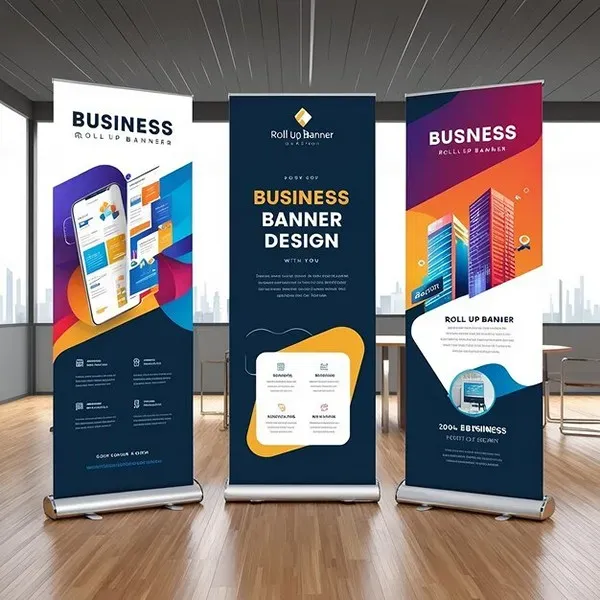
In the fast-paced world of events and retail displays, custom roll-up printing can turn a simple banner into a powerful focal point that draws eyes and communicates your message quickly. Choosing the right material, layout, and size is essential if you want to maximize visibility at trade shows, presentations, and storefront windows. When you align the design with your brand, you can leverage options like custom banner stands and portable trade show banners to create a cohesive display. Understanding roll-up banner printing price ranges and the trade-offs between fabric vs vinyl roll-up printing helps you budget without sacrificing impact. This guide outlines practical steps—from design tips for roll-up banners to proofs and delivery timelines—so you can order confidently and ensure a strong return on your investment.
Alternative terms for this product category include retractable banners, portable display systems, and on-site signage that can be quickly deployed at events. In practice, selecting the right setup involves considerations of size, durability, and how print technology affects color, edge sharpness, and weather resistance. By weighing fabric versus vinyl, you tailor appearance to indoor controls or outdoor exposure while asking printers for proofs and warranty details.
Choosing Your Material: Fabric vs Vinyl for Custom Roll-Up Printing
Choosing the right material begins with understanding how fabric and vinyl perform in real-world settings. For many brands, fabric vs vinyl roll-up printing represents a premium aesthetic versus rugged durability. When you weigh fabric against vinyl, consider indoor conditions like lighting and foot traffic, as well as how often you intend to reuse the banner across events. In the context of custom roll-up printing, fabric banners often deliver deeper color depth and a softer finish that reduces glare, while vinyl banners offer sharper text and higher resilience for outdoor or high-traffic venues.
Practical considerations include portability, care requirements, and the overall lifecycle of the banner. If you need a banner that folds compactly without wrinkles, fabric can be a strong choice; if you expect rain or sun exposure, vinyl with a protective coating may hold up better. To decide, request swatches or printed proofs from your printer, compare edge sharpness and color fidelity, and factor in your budget and timeline to ensure the best long-term value.
Design Essentials: Tips for Crafting Effective Roll-Up Banners
Design tips for roll-up banners center on clarity, hierarchy, and legibility. Start with a bold, easily readable headline at the top, followed by a concise subhead and a single call to action. This approach aligns with proven design tips for roll-up banners and helps ensure your message remains legible from brochure lines to distant corners of a trade show floor.
Brand consistency matters across all display assets, including custom banner stands and portable trade show banners. Use your brand colors, fonts, and imagery to create a cohesive look, and maintain high contrast to preserve readability in varied lighting. Consider how the banner interacts with other booth components to maintain a unified presence that reinforces recognition.
Pricing and Value: Understanding Roll-Up Banner Printing Price
Roll-up banner printing price is influenced by size, material, print technology, and hardware quality. Larger banners, premium fabrics, or durable vinyl options will cost more but offer greater visibility in busy halls. Understanding these cost drivers helps you balance upfront investment with booth impact and long-term reuse potential.
Beyond the base price, consider proofs, shipping, and warranties. Some providers include proofs in the price, while others charge separately. When budgeting for a trade show, compare total landed costs, including installation or labor at the venue, to avoid surprises that can derail your event plan.
Sizing, Orientation, and Layout: How Big Should Your Roll-Up Banner Be?
Sizing and orientation determine how much wall space you need and how best to guide attendees toward your message. Typical widths range from 33 to 85 inches, with portrait or landscape orientation depending on booth layout. This practical guidance helps ensure your banner fills the space without crowding other graphics.
To maximize impact, plan safe margins and bleed for trimming and test the banner at its final viewing distance. If space is constrained, a taller portrait layout may capture attention as attendees walk the aisle; for open booths, a wide landscape banner can communicate a broader message and support your overall display strategy.
From Artwork to Output: The Practical Roll-Up Printing Process
From artwork to output, the production process benefits from organized files and clear proofs. Prepare print-ready files in the required format (PDF, TIFF, or EPS) at 300 DPI and CMYK, and request a color proof to validate accuracy before production. Ensuring your artwork follows safe margins and bleed guidelines reduces the risk of trimming errors during production.
During production, confirm hardware options, finishes, and delivery timelines. Ask about lead times, shipping protection, and whether the printer can accommodate rush orders for last-minute events. This practical walk-through of the process helps you stay on schedule and delivers a ready-to-display banner when you need it.
Choosing the Right Vendor: What to Look For and What to Avoid
When selecting a vendor, look for samples, showroom access, and transparent warranties. Color consistency across multiple banners is crucial, especially if you order several displays for a single booth. A reputable provider should offer clear support terms that cover printing defects or hardware failures.
Ask for references and reviews, and compare options such as custom banner stands or portable trade show banners to build a cohesive display. Exploring related options helps you gauge compatibility with existing assets and budget. A vendor with strong customer service can guide you through fabric vs vinyl decisions and confirm consistent color across batches.
Frequently Asked Questions
What is custom roll-up printing and when should I use it for events?
Custom roll-up printing refers to producing portable, retractable banners that showcase your logo, message, and visuals. It’s ideal for trade shows, storefronts, and conferences because the banners are lightweight, easy to transport, and quick to set up. Use it when you need high visibility in limited space and consistent branding across booths or displays, such as with portable trade show banners.
Fabric vs vinyl roll-up printing: which material is best for my banner?
Fabric and vinyl are the two most common options in custom roll-up printing. When you compare fabric vs vinyl roll-up printing, you’ll see fabric delivers rich color and a premium look with reduced glare, making it great for indoor uses; vinyl provides sharp text and durability for outdoors or high-traffic environments. Your choice depends on indoor vs outdoor use, durability needs, and budget. If unsure, request samples and compare edge sharpness and color fidelity.
How is roll-up banner printing price determined?
Roll-up banner printing price depends on size, material, print method, hardware, and finishing. Larger banners and premium fabrics or vinyls cost more but offer greater impact. Additional costs may include proofs, color matching, shipping, and installation options.
What design tips for roll-up banners help maximize impact?
Design tips for roll-up banners: Keep it simple with a single dominant message; use bold, high-contrast typography; ensure artwork is 300 DPI or higher at final size; align with your brand colors and logo; use a clear visual hierarchy and a strong call to action. For best results, refer to the design tips for roll-up banners to maintain readability from distance.
What steps should I take to order custom roll-up printing and ensure color accuracy and quality?
To order: 1) prepare print-ready artwork in CMYK, 300 DPI, with bleed and safe margins; 2) choose material (fabric or vinyl) and size; 3) request a proof (digital or physical) to confirm color; 4) specify hardware options and finishes; 5) place the order with delivery timelines; 6) inspect on delivery and address issues promptly.
How can I evaluate vendors for custom roll-up printing and avoid common mistakes?
Ask for samples or visit a showroom to compare fabric textures and vinyl finishes. Check warranty and support terms, read customer reviews, and ask for color-consistency references across batches. Verify lead times and shipping terms, and request references for items like custom banner stands and portable trade show banners to ensure compatibility with your booth setup.
| Topic | Key Points |
|---|---|
| What is custom roll-up printing | Custom roll-up printing creates portable, retractable banners that showcase artwork, logos, and messaging. Typical components include a compact base, a roller, a vertical banner that rises when opened, and a top bar for stability; it is designed for quick setup and easy transport and is commonly used for trade shows, retail displays, conferences, and events. |
| Why businesses choose roll-up banners | Benefits include: portable and lightweight design; quick setup; reusability across events; strong brand consistency; and versatility in sizes/configurations to fit different booths and spaces. |
| Key factors to consider before ordering | Size and orientation: widths typically range 33–85 inches; decide portrait vs landscape. Visual hierarchy: legible distance, short headlines, clear CTA. Color and contrast: high contrast for readability. Print quality: artwork resolution and print tech affect sharpness. Turnaround time: check rush options and timelines. |
| Materials: Fabric vs vinyl | Fabric roll-up banners: Pros—color vibrancy, soft edges reducing glare, lightweight, foldable without creasing; ideal for indoor premium aesthetics. Cons—slightly less sharp at very small sizes; some fabrics may wrinkle during transport. Vinyl roll-up banners: Pros—sharp text/images, consistent color, durable for outdoor/high-traffic environments when protected. Cons—heavier; gloss may affect readability in bright light. |
| When to choose fabric vs vinyl | Choose fabric for frequent indoor use (conferences, retail) for premium appearance and color depth. Choose vinyl for outdoor use, high-traffic areas, or environments demanding durability. If unsure, request samples to compare color fidelity and edge sharpness. |
| Design tips for roll-up banners | Keep it simple: one dominant message with 2–3 supporting points. Typography matters: bold, legible typefaces with high contrast. Use high-resolution graphics (300 DPI or higher at final size). Brand consistency: align colors, logos, and imagery with other materials. Visual hierarchy: place logo top/left, then concise headline, supporting line, and clear CTA. Safe margins and bleed: keep important elements inside safe margins; include bleed. Images vs icons: prefer large, simple visuals. Color and lighting: matte finishes reduce glare; gloss can enhance color in controlled lighting. |
| Pricing considerations | Pricing varies by size, material, print method, finishing, and whether hardware is bundled or sold separately. Cost drivers include: (1) size/material; (2) print technology (digital dye-sublimation, UV); (3) hardware (base, carrying case); (4) artwork setup/proofs; (5) shipping/handling. |
| How to order roll-up banners | Prepare artwork: print-ready files in required formats (PDF/TIFF/EPS), 300 DPI, CMYK; include bleed and safe margins. Choose material and size. Request proofs. Confirm hardware/finishes. Place the order with delivery timelines and instructions. Review on delivery for color accuracy and tension; report issues promptly. |
| Related options to consider | Consider complementary items such as custom banner stands and portable trade show banners to create a cohesive booth display and reinforce brand recognition. |
| Vendor tips to avoid common mistakes | Ask for samples or showroom visits to compare fabrics vs vinyl. Read reviews and request references. Check warranty and support terms. Ensure color consistency across multiple banners. Organize artwork files properly and use correct formats. Consider transport/setup costs and lead times. |