
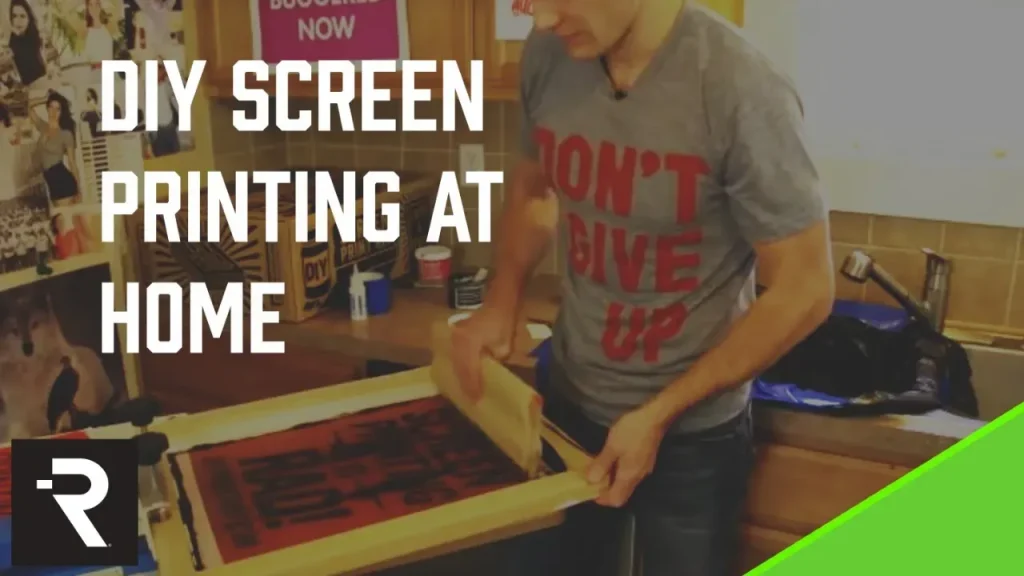
DIY screen printing at home has become a practical, creative outlet for making custom apparel, posters, and home decor, letting you explore color, texture, and finish. If you’re curious about how to screen print at home, this beginner-friendly guide walks you through choosing a workspace, selecting dependable tools, and establishing a reliable workflow that yields repeatable results. You’ll quickly discover the types of surfaces you can print on and how basic materials—like inks, screens, and squeegees—fit into a practical, scalable setup. The tone is descriptive and accessible, with real-world tips, safety considerations, and simple project ideas you can start right away. By starting small and practicing consistently, you’ll build confidence to tackle future designs, colors, and substrates with steady progress.
In other words, people are turning to at-home screen printing strategies to design custom clothing and art without renting a studio. This approach embraces a hands-on process—core to screen-based transfer, stencil making, and ink application—that can be learned with household tools and a modest workspace. By using a home-based workshop setup, crafters can practice alignment, layering, and curing routines on textiles, paper, or signs. With the right starter kit and a simple design plan, beginners can transition from practice swatches to small runs of personalized gear. As you grow, you’ll discover how to scale up, try alternative inks, and explore additional substrates—all while keeping the workflow flexible and affordable.
1) DIY screen printing at home: setting up your beginner workspace and starter supplies
Creating a dedicated space for DIY screen printing at home helps keep inks, emulsions, and solvents organized and out of the rest of your living area. Choose a well-ventilated corner or spare table where leaks or spills won’t cause damage, and lay down a protective surface to simplify cleanup. In this space you’ll assemble the beginner screen printing supplies that form the foundation of your practice, including a screen frame with an appropriate mesh count, a sturdy squeegee, and inks compatible with fabrics or surfaces you want to print on.
A practical starter kit also includes a light-safe area for emulsion preparation, basic cleaning tools, a drying rack, gloves, an apron, and protective coverings. By starting with a core set of tools, you can practice the essential workflow—design, transfer, ink application, and curing—without getting overwhelmed. This setup supports a steady, repeatable process for screen printing at home and invites you to experiment with different textures and colors as you gain confidence.
2) How to screen print at home: designing, transferring, and preparing your stencil
A successful at-home screen printing project begins with a clear design and a practical transfer plan. For beginners, high-contrast images read best on a screen, so start with bold shapes, simple typography, or single-color logos. You’ll want to prepare your design for the chosen substrate and consider registration marks to ensure consistent placement across multiple prints.
Depending on your chosen method, you can burn a stencil onto an emulsion-coated screen or use a pre-cut stencil, cut-vinyl, or transfer paper. If you’re using emulsion, create a transparent negative on film and expose it in a light source to reveal the stencil. This approach is a core part of learning how to screen print at home and connects directly to the long-standing practice of silkscreen printing at home and on various surfaces.
3) Beginner-friendly workflow: from design to first print with simple, repeatable steps
A repeatable workflow is the key to consistent results when you’re just starting out. Begin with a clean screen, secure your garment or substrate, and align using registration marks or a basic jig. With a simple one-color design, you can focus on even ink coverage and steady squeegee pressure before attempting multi-color work.
Next, apply a controlled line of ink at the top of the design and pull the squeegee across the stencil at a steady angle—roughly 45 degrees—before returning the screen to its starting position. Cure according to the ink’s guidelines, whether air-drying, using a heat press, or a household iron, and then inspect your first print for alignment and coverage. This beginner-friendly sequence mirrors the primary steps in DIY screen printing at home and helps you establish a reliable rhythm.
4) Silkscreen printing at home: expanding beyond textiles to paper and decor
Silkscreen printing at home isn’t limited to fabrics; it opens up opportunities for posters, paper crafts, tote bags, and even small decor items. Start with simple designs on paper or card stock to learn how ink interacts with different substrates and how cure times may vary from fabric projects. This broader view of screen printing at home introduces you to versatile materials while keeping the process approachable for a beginner.
As you explore substrates beyond textiles, choose inks and curing methods suited to each surface. Water-based inks work well for paper and fabric, while specialty inks may be necessary for glossy or smooth surfaces. Keeping records of your substrate choices and cure temperatures will help you optimize results and extend your beginner screen printing supplies across a wider range of projects.
5) Multicolor printing and registration basics for beginner screen printers
Once you’re comfortable with single-color prints, you can tackle multicolor designs by mastering registration. Start with a simple two-color project on a tote bag or poster to practice aligning each layer precisely. Use clear registration marks on both the screen and the substrate to stay consistent across colors.
Build a small color toolkit and test how different inks behave on your chosen material. Some fabrics require color-by-color curing, while others can be cured together if the inks are compatible. This stage blends practical technique with planning, offering a gentle progression in DIY t-shirt screen printing as you expand your palette and refine your alignment techniques.
6) Curing, care, and long-term maintenance for durable results
Durability comes from proper curing and mindful maintenance. Always follow the ink manufacturer’s cure schedule, including temperature and duration, and allow printed items to cure fully before handling or washing. Proper curing ensures your artwork withstands regular wear and repeated cleanings.
Ongoing care includes cleaning screens and tools promptly after use, storing them in a dry, dust-free area, and avoiding letting inks dry in the mesh. Regularly inspecting your equipment helps prevent issues like ghosting or faded prints, and keeping a log of materials, settings, and outcomes creates a personal reference that makes future projects faster and more reliable in your at-home screen printing journey.
Frequently Asked Questions
What are the essential beginner screen printing supplies for DIY screen printing at home?
For DIY screen printing at home, start with a basic beginner screen printing supplies bundle: a screen frame with 110–156 mesh for fabrics, a 6–9 inch squeegee (or 12–16 inch for larger designs), water-based inks (great for beginners) or plastisol inks for vibrant fabrics, emulsion and sensitizer (or a pre-stenciled screen), a transparent drawing film or acetate to transfer designs, a strong light source or exposure unit, a washout area with running water, and cleaning supplies. Create a dedicated workspace in a well-ventilated area and add gloves, an apron, and surface protection. You don’t need every pro gadget initially; focus on the core items to practice the basic workflow.
What design and transfer steps should you follow to learn how to screen print at home?
Start with a clear motif and plan transfer for how to screen print at home: use high-contrast designs that read well at your print size, and consider starting with solid shapes or bold typography. Transfer the design to a transparency if using emulsion, or use a cut stencil or cut-vinyl for a simpler route. Plan the print area and alignment with registration marks or a basic jig to ensure repeatable placement on multiple garments.
What are the preparation, exposure, and alternative methods for silkscreen printing at home?
In the traditional path, coat the screen with emulsion in a dark room, dry it, place the design on transparency, expose under UV light, and rinse to reveal the stencil. If you prefer an easier route, use pre-coated screens, hand-cut stencils, or transfer papers to experience the core printing steps—inking, squeegeeing, and curing—without complex exposure steps.
What is the basic workflow for the printing process to achieve consistency in DIY screen printing at home?
Printing workflow: position and secure the garment flat and aligned, apply a line of ink and pull the squeegee across the stencil with even pressure at about a 45-degree angle, then quickly reveal the print. Cure or dry according to the ink used (air-dry or heat-set with a heat press, curing oven, or household iron where appropriate). Finally, rinse tools and screens immediately to keep them in good condition.
How do you handle multicolor prints and registration in DIY screen printing at home?
For multicolor prints, start with a two-color design on a simple item to learn registration. Use registration marks on the screen and substrate, practice a steady printing pace, and consider a transparent overlay to check alignment before printing. Build a small palette of inks and test on swatches to ensure consistent color and curing requirements per color.
What are tips for curing, care, and maintenance in DIY screen printing at home?
Cure according to the ink manufacturer’s schedule and allow prints to fully cure before handling. Keep screens clean and store them dry to prevent emulsion buildup; clean tools with water and mild detergent for water-based inks, and use appropriate solvents for others. Maintain a simple printing log to track ink, exposure times, curing temps, and adjustments.
| Topic | Key Points |
|---|---|
| Workspace & Starter Supplies | Dedicated, well-ventilated space. Core starter kit elements include a screen frame with mesh (110–156 count for fabrics; 230–305 count for paper), a squeegee (6–9 in for small designs; 12–16 in for larger prints), inks suitable for fabrics or surfaces, emulsion and sensitizer or a pre-stenciled screen, transfer materials (transparency/acetate), a light source or exposure unit, a washout area, drying rack, cleaners, sponges, and rags. You don’t need every professional gadget at first; start with a core set to build confidence and reduce frustration. |
| Design, Transfer & Basic Workflow | Begin with high-contrast designs that read well at print size. Plan the print area and alignment. For traditional emulsion screens, burn the stencil from a transparency; for hand-cut stencils or cut-vinyl, apply directly to the screen. Use registration marks or a simple jig to reproduce placement. Practice steady hands, even pressure, and consistent ink transfer. |
| Preparation, Exposure & Alternatives | Coat the screen with emulsion, dry in a dark room, then expose with UV light and rinse to reveal the stencil. If this is too complex for beginners, use pre-coated screens, cut stencils, or transfer papers to learn the core steps (inking, squeegeeing, curing) while practicing alignment and print consistency. |
| Printing Process | Position and secure the garment or substrate. Apply ink at the design area, hold the screen at a slight angle, and squeegee with even pressure to pull ink through the stencil (typical angle ~45 degrees). Cure or dry according to ink instructions (air-dry or heat-set). Clean the screen and tools promptly after printing. |
| Multicolor & Registration | Begin with a single color. Use registration marks to align subsequent colors. Practice with simple items before moving to complex designs. Consider overlays or a light table to verify alignment; maintain a steady printing pace and controlled hand pressure. |
| Curing, Care & Maintenance | Follow each ink’s cure schedule (temperature and duration). Allow full curing before handling. Clean screens and tools after use. Store screens in a dry, dust-free area to prevent emulsion buildup. Regular maintenance extends equipment life. |
| Troubleshooting | Faint prints: check ink consistency and pressure. Ghosting: ensure prior layer is fully cured. Uneven ink: adjust squeegee angle/pressure and verify ink viscosity. Pinholes or broken lines: inspect stencil integrity and screen-flat contact with the substrate. |
| Beyond Textiles | Silkscreen at home isn’t limited to fabrics. Try tote bags, posters, paper, plaques, and other substrates with appropriate inks and curing methods. Start with clean, simple designs and gradually expand to more colors and substrates. |
| Final Tips | Start small and test often. Keep a printing log of inks, exposure (if used), curing temps/durations, and adjustments. Invest in good basics to save time and frustration. Embrace the learning curve and use early glitches as opportunities to improve technique. |
Summary
DIY screen printing at home opens a creative world where ideas translate into tangible prints on fabric, paper, and more. A well-organized workspace and a core starter kit help you build a consistent workflow, turning curiosity into doable projects. With careful design, alignment, and proper curing, you can achieve durable results and gradually expand to multi-color designs across a variety of substrates. As skills grow, the hobby evolves into a practical craft you can apply to personal gifts, club uniforms, and home décor, inviting steady experimentation and personal expression.