
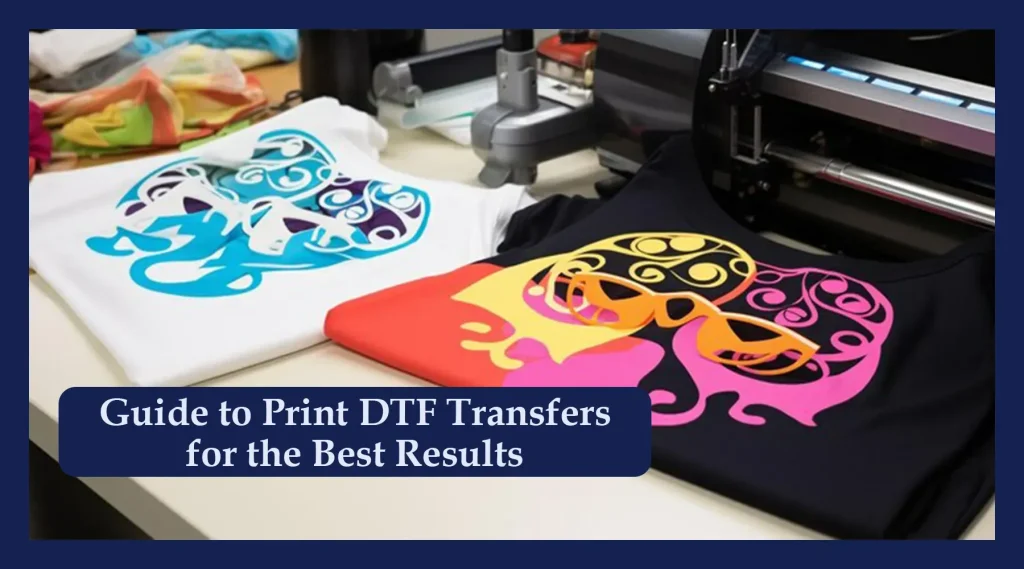
DTF transfers set the standard for modern fabric crafting, delivering bold color, crisp details, and durable wear. This guide compares different approaches to help hobbyists make informed decisions for their DIY projects. You’ll learn about color depth, white underbases, and wash durability that help the design last. We cover setup considerations, fabric compatibility, and cost to help plan a practical workflow. Ultimately, readers can weigh the DTF transfer advantages against the limitations of heat transfer to pick the best approach.
An alternative way to describe Direct-To-Film printing is as film-based transfers, where a design is printed onto a special sheet and then bonded to fabric with heat. This approach shares goals with traditional methods—decorating textiles with durable graphics—but relies on a printable film, a curing stage, and careful adhesion to prevent cracking or peeling.
DTF transfers vs heat transfer: A Clear DIY Guide
DTF transfers vs heat transfer is a common fork in DIY garment planning. DTF prints use a CMYK+white ink on film, which enables vibrant color and fine detail, plus a white underbase that makes designs pop on dark fabrics. For DIY projects like t-shirts, tote bags, and apparel, understanding this comparison helps you predict image brightness, edge sharpness, and how a design will look after multiple washes.
Choosing between DTF transfers vs heat transfer often comes down to your project goals and available equipment. DTF tends to excel when you need photographic quality or complex color gradients on a range of fabrics, including blends and dark garments. Heat transfer can be quicker and cheaper to start, making it attractive for small runs and fast prototypes, even if you trade a bit of color depth and durability.
Understanding Heat Transfer: Simplicity, Speed, and DIY Projects
Heat transfer remains a widely accessible option for DIY projects. Consumer-grade sheets, vinyl transfers, and simple heat presses let you produce basic designs with minimal setup. This approach is popular for quick gifts, limited runs, or experimenting with fonts and logos on cotton and common blends.
Despite its accessibility, heat transfer has trade-offs. Color depth may be limited, white ink options are not universal, and long-term durability can fall short of DTF prints. For DIY projects that prioritize speed and ease, heat transfer is a practical choice, but keep expectations realistic about wash longevity and feel on the fabric.
DTF Transfer Advantages: Why Crafters Choose Direct-To-Film
DTF transfer advantages include exceptional color accuracy, the ability to reproduce gradients and photo-like imagery, and strong adhesion to a wide range of fabrics, including dark backgrounds thanks to a white underbase. The result is vibrant, durable prints that can survive repeated washings on cotton, blends, and some synthetics.
For DIY projects that demand high detail or complex color, DTF transfers often deliver crisper edges and better texture than many heat-transfer methods. While the upfront cost for printers, white ink, and curing can be higher, the long-term flexibility for small-batch personalization makes DTF a compelling option for designers who print frequently.
Limitations of Heat Transfer: Challenges for DIY Projects
Limitations of heat transfer often revolve around color depth, white underbase capability, and durability. Cheaper sheets may look flat or crack after a few washes, and certain fabrics, especially synthetics, can respond poorly to some vinyl or sheet options. These limitations can affect the perceived quality of DIY projects that require bold colors or long wear.
To manage these challenges in DIY projects, you can select higher-quality sheets or vinyl, test on sample fabrics, and adjust expectations for wash lifespan. Understanding the limitations of heat transfer helps you choose the right method for each design and fabric and reduces disappointment when items go through the laundry.
Fabric Compatibility and Color Fidelity: DTF vs Heat Transfer in Practice
Fabric compatibility and color fidelity are central to deciding between DTF and heat transfer. DTF generally performs well on a wide range of fabrics, including cotton, blends, and some polyesters, with color brightness preserved by the white underbase on dark fabrics. Heat transfer can be excellent on cotton but may require different sheets or vinyl formulations for synthetics.
In practice, testing swatches on your target fabrics is essential. For DIY projects that demand rich detail and durable color on varied textiles, DTF transfers often deliver superior fidelity. If your design relies on bold, single-color shapes on light fabrics, heat transfer can be a simpler alternative that meets the goal with less setup.
Practical Comparison: Cost, Setup, and Workflow for Your DIY Projects
When weighing cost and setup, DTF and heat transfer present different economics for DIY projects. A DTF workflow typically involves printer with white ink, film, powder, curing, and a heat press, which means higher upfront investment but lower per-item cost for small runs. Heat transfer kits, on the other hand, are generally cheaper to start and require fewer steps to get basic results.
Workflow considerations also matter. DTF requires more steps—printing, powdering, curing, and then transferring—while heat transfer often reduces to print or cut and press. For DIY projects that emphasize speed, you might prefer heat transfer; for designs where long-term durability and color accuracy matter, DTF often proves the better workflow choice, despite the extra steps.
Frequently Asked Questions
What are DTF transfers and how do they work for DIY projects?
DTF transfers (Direct-To-Film) print a design on a special film using CMYK inks (often with white ink for light-on-dark results), apply a powder, cure the film, and then press it onto fabric. For DIY projects, DTF transfers deliver vivid color, fine detail, and durable wear across cotton, blends, and some synthetics, often with a softer hand than many traditional heat transfer methods.
DTF transfer advantages: how do they compare to heat transfer for DIY projects?
DTF transfer advantages include superior color accuracy, the ability to reproduce gradients and photo-like images, and a white underbase that brightens designs on dark fabrics. They also tend to resist cracking and fading after washing, making them a strong choice for DIY projects. Upfront costs include a printer with white ink, film, and a powder curing step, which are higher than many basic heat transfer kits.
DTF transfers vs heat transfer: which method delivers better color and durability on dark fabrics for DIY projects?
DTF transfers generally offer crisper color and better detail on dark fabrics thanks to the white underbase, while heat transfer can work well for simpler designs and light fabrics. For DIY projects requiring complex multi-color artwork, DTF transfers typically outperform heat transfer in color, durability, and washability.
What are the limitations of heat transfer that affect DIY projects when choosing between DTF transfers?
Limitations of heat transfer include limited color depth, dependence on white ink for bright results on dark fabrics, potential cracking or peeling after repeated washes, and variable performance on synthetic fabrics. These limitations can constrain DIY projects with photographic detail or long-lasting wear, where DTF transfers often excel.
Is heat transfer more accessible than DTF transfers for beginners starting DIY projects?
Yes. Heat transfer generally has a lower upfront cost and simpler setup, making it more accessible for beginners. DTF transfers require a printer capable of white ink, film, powder, and curing equipment, which adds to the initial investment for DIY projects. For small runs, both methods can be viable depending on design goals.
What design considerations maximize results with DTF transfers versus heat transfer for DIY projects?
For DTF transfers, use high-resolution images, plan a white underbase for dark fabrics, and test color swatches to ensure brightness. Vector art yields sharp edges, while photo-like images benefit from careful resolution (around 300 dpi). For heat transfer, choose bold, single-color shapes or simple logos for easier application. In DIY projects, start with small tests to compare color, texture, and wash durability, then select the method that best fits your budget and goals.
| Aspect | Key Points |
|---|---|
| What are DTF transfers? | Direct-To-Film process; design printed on film using CMYK ink set with white underbase option; powder is applied, cured, then transferred to fabric with a heat press; produces vivid, durable images that adhere well to cotton, blends, and some synthetics. |
| How DTF works vs. traditional methods | Print on special film, apply powder, cure, and transfer with heat; contrasts with standard heat transfer (sheets, vinyl, screen-prints) that bond when heated. |
| DTF advantages | Excellent color reproduction; white underbase on dark fabrics for brightness; durable through washings; capable of photo-realistic images and gradients; versatile across fabrics (cotton, blends, some polyesters); good for small runs and personalized items. |
| What is Heat Transfer? | Broad category moving designs onto fabric using heat; includes standard sheets, vinyl transfers, and screen-printed transfers that require a heat press. |
| Advantages of heat transfer | Accessible and easy to use with consumer-grade kits; suitable for small batches and quick customization; simple workflow for many designs. |
| DTF vs Heat Transfer: Quick comparison | DTF generally excels in color depth and detail (especially on dark fabrics) and durability; heat transfer can be easier and cheaper upfront but may have limits in color, white underbase, and long-term wear. |
| DTF advantages and limitations | Advantages: superior color accuracy, white underbase for brightness on dark fabrics, strong adhesion across fabrics, durable results, good for small runs. Limitations: higher upfront investment (printer with white ink, curing), more complex workflow (powdering, curing), handling and process nuances, varying availability of powders/films. |
| Heat Transfer: strengths and drawbacks | Strengths: simple, fast, scalable for quick prototypes; beginner-friendly. Drawbacks: color limitations, potentially lower durability, some fabrics require specific sheets, feel can be stiff or glossy. |
| Choosing between methods | DTF is better for photorealistic images, bright colors on dark fabrics, and long-lasting wear. Heat transfer is convenient for quick prototypes, small gifts, or simple designs on light fabrics; for fine text or high color counts, DTF; for bold single-color shapes, heat transfer may suffice. |
| Practical tips: DTF | Design with vector art for sharp edges; high resolution (300 dpi) for photo-like images; plan for a white underbase on dark fabrics; prewash fabrics; follow curing guidelines; turn garments inside out and wash cold to extend life. |
| Practical tips: Heat Transfer | Choose appropriate sheets or vinyl; ensure proper cutting/weeding; temperature/pressure guidelines vary by product (commonly around 300–320°F/150–160°C); know warm vs cool peel requirements. |
| Common pitfalls | DTF: inadequate curing or uneven powder can cause white edges; moisture/oils affect adhesion; avoid overheating during transfer. Heat transfer: color fading, cracking, or poor adhesion on synthetics; improper peeling can cause ghosting. |
| How to decide for your project | Start with small tests comparing DTF and heat transfer on different fabrics; assess color vibrancy, texture, and wash durability; choose based on design goals, budget, and effort tolerance. |
Summary
Conclusion