
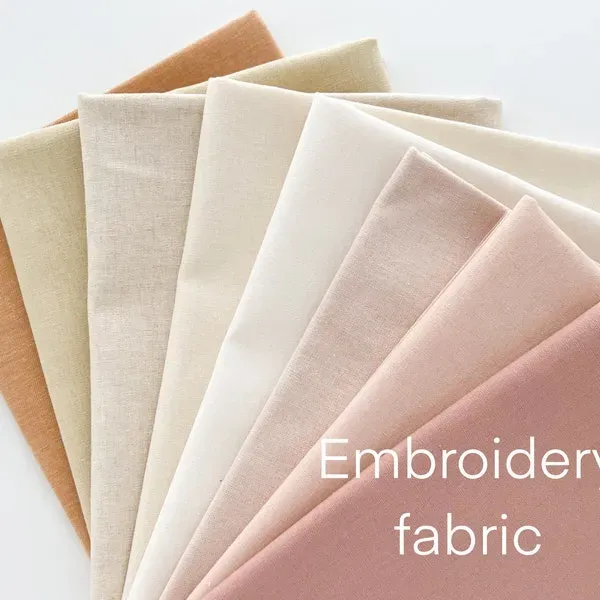
Choosing the fabric for embroidery sets the foundation for your project, directly impacting stitch quality, tension, and how the final design will look. For beginners and seasoned stitchers alike, starting with a cotton embroidery fabric helps ensure a smooth surface and forgiving results. The embroidery fabric guide often highlights linen embroidery fabric for its natural texture, structural integrity, and the crisp lines it yields. This embroidery fabric selection should balance weight, weave, stability, and ease of hooping, pointing you toward the best fabrics for embroidery for different applications. Understanding these traits lets you tailor your choice to apparel, home decor, or wall art, delivering reliable stitches and lasting color.
In plainer terms, the fabric you pick serves as the base for stitched art, influencing stitch density, drape, and the overall finish of the piece. Think beyond a single product name and consider weave structure, fiber content, and fabric stability, all of which steer thread behavior and technique. Exploring materials such as cotton-based woven textiles, linen blends, and stabilized fabrics lets you match your project needs to the right base. By framing embroidery as a collaboration between thread and textile, you can optimize results whether you are sewing garments, decor, or wall hangings.
Fabric for embroidery: cotton embroidery fabric as the foundation for great stitches
Cotton embroidery fabric is a dependable foundation for many projects. Its natural softness and dimensional stability help stitches sit neatly and prevent flutter during stitching. In discussions of best fabrics for embroidery, cotton embroidery fabric is frequently highlighted for its forgiving surface, easy care, and wide availability. For beginners and seasoned stitchers alike, starting with a reliable cotton base aligns well with the guidance you’ll find in any embroidery fabric guide.
When selecting cotton, prioritize a tight weave such as cotton percale or cotton twill, which provide a smooth ground for precise stitches. Weight matters: mid-weight cotton (roughly 90–110 gsm) balances stability with the drape needed for different designs. In embroidery fabric selection, remember to pre-wash to remove sizing and minimize shrinkage later, and test stitch on a swatch to confirm tension and coverage.
Linen embroidery fabric: natural texture and crisp lines for heirloom projects
Linen embroidery fabric brings natural luster, breathability, and a crisp surface that holds stitches well. It’s prized for rustic or organic aesthetics and is a top pick within linen embroidery fabric options. Its structure supports clean lines and a durable finish that ages gracefully, making it a favorite among stitchers seeking a timeless look.
Open weaves on linen can require stabilizers to prevent distortion, especially in larger designs. Prepare by washing, pressing, and hooping with proper tension. The embroidery fabric guide often notes linen as a durable choice that develops a pleasant patina over time, making it a staple in many embroidery fabric selection discussions.
Silk and silk blends: luxury fabrics for special embroidery
Silk and silk blends offer luxury, subtle sheen, and drape that elevate decorative pieces and formal textiles. They are treasured for projects where the fabric itself contributes to the design’s effect, delivering a refined presence that stands out in photos and wear.
However, silk can be slippery and requires careful stabilization and needle care. When using silk for embroidery, choose finer threads and lower stitch density to avoid over-saturation. In the broader discourse on best fabrics for embroidery, silk is cited as a premium option, and the embroidery fabric guide includes tips on stabilizers and technique adjustments to help you succeed.
Blends and synthetics: balanced performance and cost
Blends and synthetics, such as cotton-poly blends, provide a practical middle ground between softness, stability, and cost. They’re easier to handle than pure linen or silk and often give stable support for dense stitches, making them a versatile choice for a wide range of projects.
With blends, you can enjoy wash durability and reduced fraying, while preserving color and texture. The embroidery fabric selection process often points to blends as a versatile option for garments and home decor, especially when you want predictable performance across different stitch types and design densities.
Embroidery fabric selection by project type: garments, home decor, wall art
Choosing fabric by project type helps tailor your choice to how the piece will be used. Apparel often benefits from stable, moderately forgiving fabrics, while home decor can tolerate heavier ground fabrics with stronger stabilizers to maintain shape through washing.
Wall art and framed pieces typically favor sheets with a crisp surface, such as cotton or linen, to create clean lines and good color retention. In guides focused on embroidery fabric selection, these project-type considerations are highlighted to help you narrow down options quickly and make confident choices.
Stabilizers and fabric prep: maximizing fabric performance for embroidery
Stabilizers are the unsung hero pairing with fabric for embroidery. Selecting the right stabilizer—tear-away, cut-away, or water-soluble top stabilizers—depends on fabric weight and the embroidery technique you’re using, ensuring stitches stay aligned and edges remain sharp.
Always test stitch on a swatch and pre-wash fabric to assess how it behaves under hooping. Proper stabilizer choice, combined with correct hooping and tension, minimizes puckering and distortion, ensuring your chosen fabric performs as expected within the embroidery fabric guide and beyond.
Frequently Asked Questions
What are the best fabrics for embroidery for beginners and why?
Cotton embroidery fabric is often the best option for beginners due to its softness, stability, and forgiving nature. Choose tightly woven varieties like cotton percale or cotton twill for a smooth surface that supports precise stitches. Pair with mid-weight embroidery threads and a suitable stabilizer to minimize puckering and skipped stitches. This makes cotton embroidery fabric a versatile default for many projects.
How does the embroidery fabric guide help with embroidery fabric selection?
The embroidery fabric guide outlines core traits—fiber content, weave, weight, and stability—and explains how they interact with hooping, stabilizers, and thread. It also suggests suitable options such as cotton embroidery fabric or linen embroidery fabric for different designs, and emphasizes testing a swatch before final stitching.
When should I choose linen embroidery fabric over cotton embroidery fabric?
Linen embroidery fabric offers a crisp line, natural texture, and durable stitches, making it ideal for rustic or natural looks. It holds stitches well but can fray, so use a balanced weave and appropriate stabilizers to maintain shape in larger designs.
What are the benefits of cotton embroidery fabric for a beginner project?
Cotton embroidery fabric is beginner-friendly because it’s easy to hoop, forgiving with dense or mid-weight stitches, and machine washable. It comes in many weights, allowing you to tailor stitch density and fabric handling. Start with a tightly woven cotton embroidery fabric like percale or twill for precise, even coverage.
Which stabilizers work best with linen embroidery fabric?
For linen embroidery fabric, choose stabilizers based on weave and stitch density: tear-away for lightweight designs, cut-away for dense satin work, and consider a water-soluble top stabilizer when you don’t want stabilizer lines to show. These options prevent distortion and keep stitches flat on open-weave linen.
How do embroidery fabric selection and blends compare for project goals?
Embroidery fabric selection often favors blends (such as cotton-poly) for a balance of handling, durability, and cost, while remaining stable for a variety of stitches. Blends can be a practical alternative to pure cotton or linen for garments or home decor. Pair blends with appropriate stabilizers and hooping practices to achieve consistent results.
| Aspect | Key Points | Notes |
|---|---|---|
| Fabric Traits to Consider | – Fiber content, weave/structure, weight, and stability. – These elements interact with thread type, needle size, and embroidery technique. – Guiding questions: • Will the fabric’s fiber accept dense stitching without puckering? • Does the weave provide enough support for the intended stitch density? • Is the fabric easy to hoop and stable, or will stabilizers be needed? • How will the finished piece be used (decorative wall art, apparel, home decor) and does the fabric fit that use? |
|
| Popular Fabric Options | – Cotton embroidery fabric: Soft, stable, washable, available in many weights; forgiving for beginners; look for tightly woven varieties like cotton percale or cotton twill. – Linen embroidery fabric: Natural luster, breathable, strong stitch definition; good for crisp lines and rustic look; fraying may require balanced weave and stabilizers. – Blends and synthetic fabrics: Cotton-poly blends provide easy handling, durability, and stability; cost-effective for many projects. – Silk and high-end fabrics: Luxurious drape and sheen; best with quality stabilizers and careful hooping. – Other considerations: Open/weave openness, fabric weight, fraying tendency; prep steps like pre-washing and stabilizer choice matter. |
|
| Stabilizers | – Match stabilizer type to fabric weight and embroidery technique. – Lightweight fabrics: Tear-away stabilizer for support and easy removal. – Deep 3D or satin stitches on delicate fabrics: Cut-away stabilizer for ongoing support. – Fray-prone fabrics or minimal stabilizer visibility: Water-soluble top stabilizer to hold stitches without residue. |
|
| Fabric Preparation & Care | – Pre-wash fabrics when colorfast and shrinkage is a concern (cotton, linen). – Press with low heat; avoid direct steam on delicate fibers. – Use appropriate stabilizer and hooping; keep fabric taut but not stretched. – Test stitch on a swatch to check tension and stability. |
|
| Choosing by Project Type | – Apparel: Stable, slightly forgiving fabrics like cotton blends or light linen; stabilizers crucial for wash durability. – Home decor: Heavier fabrics (thicker cottons, linen blends) for dense stitches and shape retention. – Wall art/framed pieces: Cotton or linen, medium to heavy weight for versatile stitches and color retention. |
|
| Common Mistakes to Avoid | – Choosing overly slippery fabrics for intricate designs. – Skipping stabilizers for open-weave textiles. – Not pre-washing or testing tension before starting. – Mismatching fabric stability with intended stitch type. |